Aging Infrastructure: U.S. Aviation Grounded for Four Hours
Transportation Secretary Sean Duffy attributed a nationwide flight stoppage to outdated 1980s technology, while officials ruled out a cyberattack.
By Sophia Bennett ·
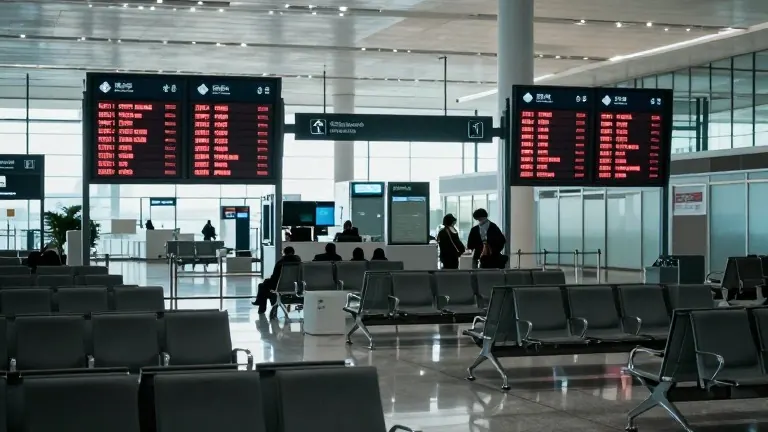
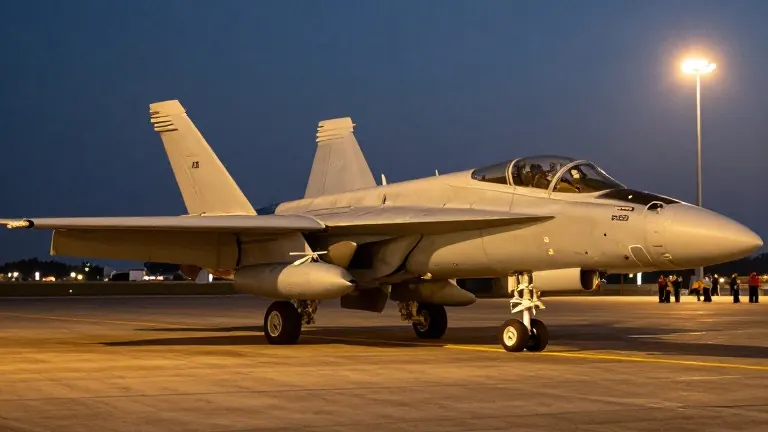
The Federal Aviation Administration ended a nationwide ground stop on Friday after it paralyzed U.S. airspace for approximately four hours. The rare disruption grounded thousands of flights at every American airport, marking the second time since 2001 that the entire system was halted.
Transportation Secretary Sean Duffy addressed reporters at the White House on Friday night to explain the cause. He stated that air traffic control facilities suffered intermittent outages in their radar and communications systems earlier in the afternoon. Duffy identified the root cause as outdated hardware, including old switches, routers, and copper lines dating to the 1980s.
"It got overloaded," Duffy said, describing the failure of the aging system. When asked for specific details on why the infrastructure failed during a standard travel day, the secretary did not provide a technical explanation.
Homeland Security Secretary Markwayne Mullin, who joined the briefing, confirmed that investigators found no evidence of a cyberattack. "We have seen zero evidence this is a cyber attack," Mullin stated. The FAA noted that the issue specifically affected Air Route Traffic Control Centers, which manage high-altitude traffic across the country.
Data from flight tracking site FlightAware showed that more than 8,000 flights were delayed and 7,000 were canceled across the United States as of 9 p.m. ET on Friday. This surge in cancellations followed a day of nearly 7,000 delays on Thursday. FAA leaders did not participate in the press conference and offered no additional details on the communication failures.
Senator Richard Blumenthal (D-CT) released a statement calling for a prompt and penetrating investigation into the incident. He described the widespread outage as a clear danger to national security and safe travel, particularly close to the holiday season. The statement urged the Department of Transportation to provide credible action and factual disclosure to the public.
Air Space Intelligence, a company rolling out a new AI-enhanced software tool called SMART for the FAA, stated that its product was not responsible for the disruption. The company said on social media that the ground stop was not a result of the SMART system or any other of its products. Passengers at major hubs reported confusion and long waits. Regina Harling at Dallas Fort Worth International Airport waited hours past her departure time before learning of the grounding, while Giliann Karon at Chicago O'Hare International Airport was on a plane when the stop was ordered.