Baltimore Police order officers to visit all silent 911 calls
The department will now mandate in-person checks for disconnected emergency calls after an internal review found patrol units often ignored them.
By Madison Cooper ·
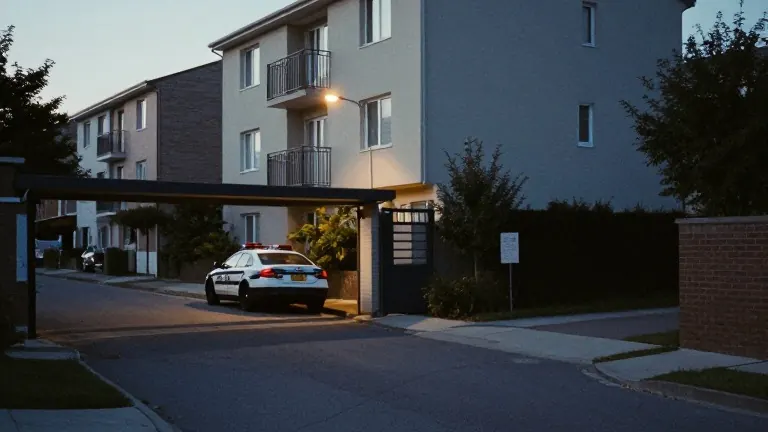
Residents of Baltimore who call 911 and are disconnected or hang up without speaking will now receive a guaranteed police visit. The Baltimore Police Department announced a new requirement that patrol units respond to the scene of every no-voice call. Previously, officers frequently closed these reports without leaving their vehicles, a practice that left callers uncertain whether help was on the way.
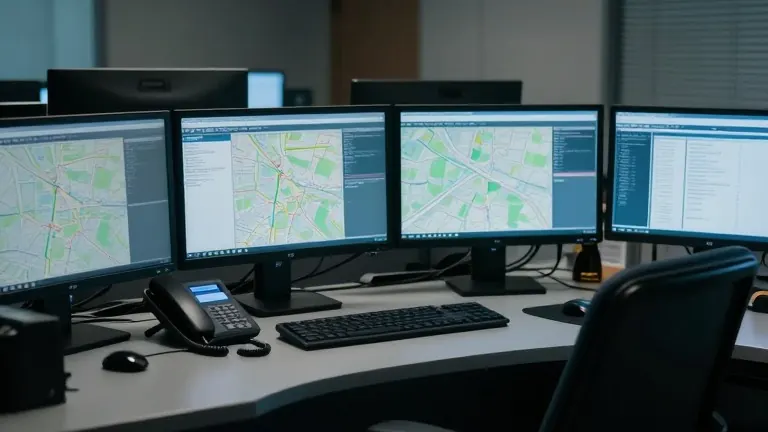
Chief spokesperson Lindsey Eldridge stated that each no-voice call must be handled through an appropriate process to ensure no one is overlooked. She noted that while some disconnects are accidental, the department is updating its standard operating procedures to mandate an in-person check or a specific area check if an address is unclear. The department is also providing additional training for dispatch personnel and reinforcing these expectations within the patrol division.
The issue was identified by Officer Jordan Thomas, who was suspended for unrelated conduct and assigned to the Telephone Reporting Unit. Thomas observed that officers and supervisors often coded out these calls, telling dispatchers they would not respond. He filed a complaint with oversight authorities, including the team monitoring the 2017 federal consent decree. Thomas wrote that field officers and dispatchers were engaging in a neglectful pattern that prevented callers in trouble from receiving a response.
Thomas cited specific examples where follow-up calls revealed serious emergencies. In one instance, children had called because their pregnant mother had fallen and needed hospital transport. In other cases, callers were injured, elderly, or victims of active assaults. A 2020 staffing report noted that there were 79,780 911 hang-up calls in 2018, but only 3,811 generated a patrol response. It remains unclear how many of the unvisited calls were simply closed by officers.
Kenneth Thompson, the lead of the consent decree monitoring team, emailed that while the issue is important, it does not generally fall within the scope of the decree. The department acknowledged the problem and said it is reviewing communications policies. A new director of communications was recently hired to conduct a comprehensive review of these procedures.
Thomas, who declined an interview, included his findings in a federal lawsuit against the Police Department. He alleged retaliation by supervisors and claimed whistleblower protection. The department had moved to revoke his certification earlier this year, citing repeated policy violations and conduct affecting public safety. Thomas is currently representing himself in that lawsuit.
Eldridge said the department recognizes the need to correct this practice. She clarified that legitimate reasons for not following up include duplicate calls or locations listed only by cell tower. However, she emphasized that those circumstances should not eliminate the need for an appropriate response.