Connecticut shoppers face new AI threats and toy fads this holiday
Local retailers and security experts urge families to verify online deals and set strict spending limits before the season ends.
By Madison Cooper ·
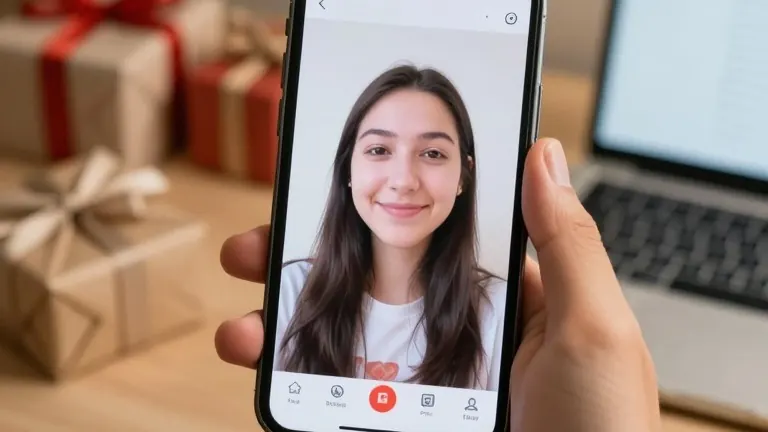
Retailers in Connecticut are warning shoppers to verify online deals before paying, as artificial intelligence makes fake store endorsements easier to create.
The Retail Industry Leaders Association says scammers now use AI to generate realistic videos featuring stores, employees, and product displays for retailers like Target and Costco. Monica Welt of the association described the situation as probably the worst she has seen. She called stopping the content a game of whack-a-mole because scammers can create multiple versions of convincing ads quickly.
Beyond deceptive branding, the association worries about product safety. Major retailers test merchandise for durability and compliance with state and federal safety rules. Products promoted in fake videos may skip those checks. Welt advised consumers to verify a product on the official retailer website and use a credit card for third-party purchases to allow for charge disputes if a problem arises.
Local toy stores are also guiding families away from short-lived trends. Valley Kids Co. in Canton focuses on STEM and open-ended building toys that offer multiple uses. The owners said they look for items that encourage creativity and problem-solving rather than products that children forget quickly. They cited specific brands like Chompsaw, Gravitrax, and HABA track sets as examples of toys that grow with a child.
Economist Margo Bergman noted that social media influencers often drive the demand for fad toys. She recommended parents ask if a toy will bring joy for years before buying it. To manage budgets, she suggested dividing gifts into four categories: something a child wants, needs, wears, and reads. This approach limits spending on a single trending item.
Security expert Gary Salmon of Black Talon Security warned about holiday invitation scams. Scammers send fake invites through compromised email accounts with links that download screen-sharing software. Once scammers gain access, they can transfer money and charge credit cards. Salmon advised shoppers to hover over links to check URLs and contact the sender through a different method to confirm the message is real.
Etiquette expert Karen Thomas said families should set spending limits before the holidays and communicate them clearly. She said people do not need to match expensive gifts immediately. A homemade or small gift presented warmly can be meaningful without stretching a budget.