EPA: No rise in lead levels after Army blasts 5 tons of unstable chemical in Iowa
Initial tests from over 3,200 samples show no increase in heavy metal contamination in water sources supplying local drinking water.
By Sophia Bennett ·
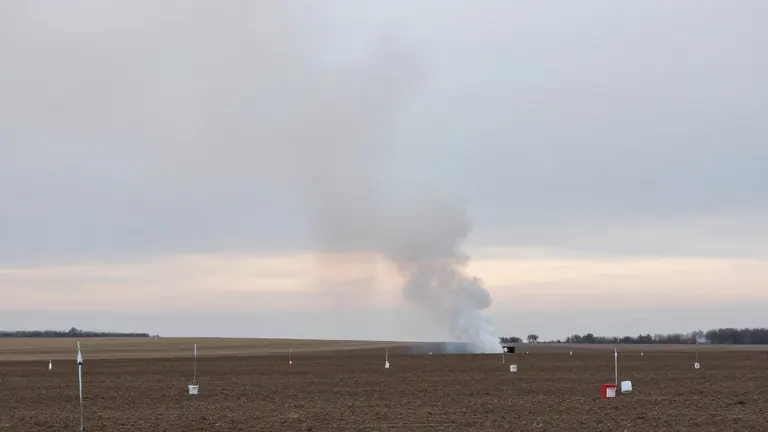
Five tons of lead azide were detonated in southeastern Iowa this week, and initial laboratory results indicate the explosion did not increase heavy metal levels in local water systems, according to the U.S. Environmental Protection Agency.
The EPA released the data on Saturday following a controlled blast carried out by the U.S. Army. About 300 personnel spent Thursday in the field collecting samples from schools, playgrounds, churches, and private homes across the region. More than 1,500 samples of air, water, soil, and dust were gathered before the detonation, with hundreds more taken afterward from the same locations.
The agency monitored airborne lead for 30 consecutive hours using Xact air monitoring systems. A statement on X noted that updates will continue as new lab results for over 3,200 samples return and are validated. The EPA emphasized that lead is particularly hazardous to children and pregnant women.
The Army stated that immediate detonation was the safest option because the aging stockpile was degrading and could have exploded uncontrollably as temperatures dropped. The chemical was stored in the town of Middletown, where residents were aware of the plans. Fewer outside residents and elected officials received adequate notice until days before the event.
Criticism has emerged regarding the federal government's communication strategy. Some officials and local residents argued that the Army lacked transparency about when the stockpile was first identified as unstable. The concerns focus on both potential environmental contamination and the timeline of public warnings.