Michael Twitty serves 'Kush' to trace West African roots in Thanksgiving meals
The two-time James Beard Award winner explains how a dish named after a Hausa word connects enslaved people's food traditions to modern Black American cooking.
By Madison Cooper ·
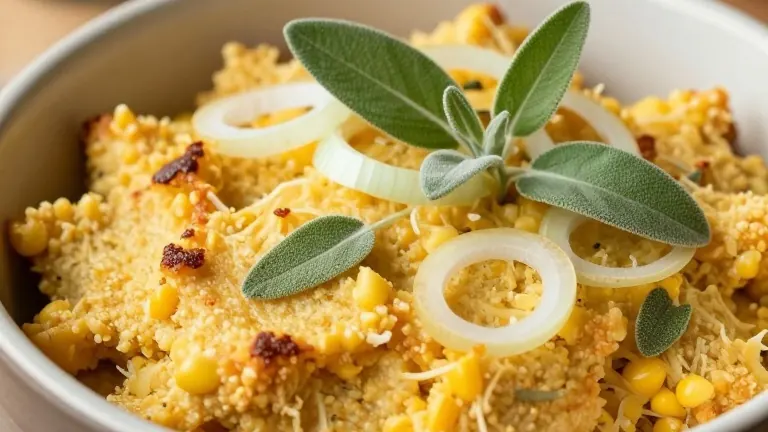
Culinary historian Michael Twitty brought a specific spice blend, fresh sage, fish peppers, and onions from his own garden to the studio of NPR's Morning Edition on Thanksgiving Day.
Twitty, a two-time James Beard Award winner and author of The Cooking Gene, used the visit to discuss a dish he calls Kush.
He has prepared the cornbread dressing since he was a teenager. The name derives from the Hausa language of West Africa. Twitty noted that the term is similar to couscous.
"The name comes from Hausa, the language of West Africa. They are a predominantly Muslim people, but Muslim in the way that West Africans do Islam, which is Islam with a lot of the influence from the traditional culture and spirituality," Twitty said.
He identified his own ancestry as including Wolof, Hausa, Fula, and Serer peoples. Knowing this history, he said, connects the dish directly to his roots.
"There was a time when I couldn't tell you what particular African ethnic groups I came from, but now that I know that I'm part Wolof, Hausa, Fula, and Serer and so many others, I know this dish has a connection to who I am," he said.
Twitty also detailed his work documenting hybrid foods created by African American Jewish people. He cited examples such as matzah ball gumbo and kosher jollof rice. He explained that dishes like Shito typically contain shellfish, but his version omits them to fit kosher guidelines.
He said the holiday itself matters less to him than the gathering of people. He noted that while some African Americans do not attach themselves to the myth of Thanksgiving, many still value the tradition of cooking and eating together.
"I have to say that along with a lot of other African Americans, not everybody, but a plurality of us, Thanksgiving, as it's been expressed, means very little," he said. "But we do love tradition, we love cooking, we love food, we love gathering."
The recipe for Kush appears in Twitty's book Recipes from the American South.