Prisoner exchange marks first tangible result from Abu Dhabi talks
While no ceasefire was reached, the trilateral negotiations secured a deal for a large-scale release of captives, with US envoys heading to Moscow next.
By Sophia Bennett ·
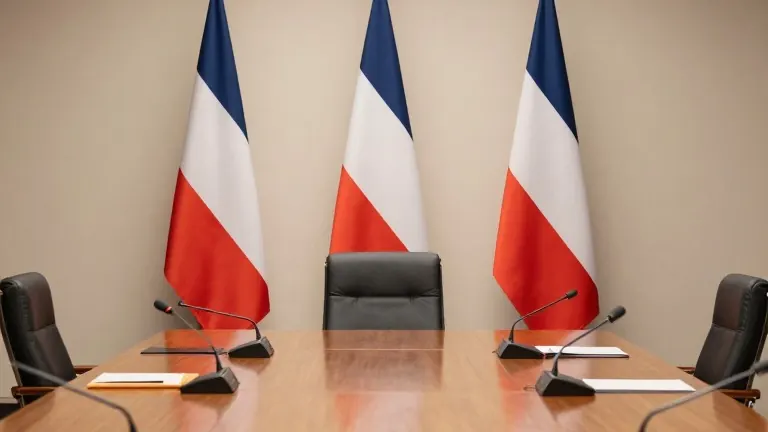
Ukrainian families holding captives in Russian custody gained a concrete outcome from the recent diplomatic push, even as the war continues without a pause in fighting. The two-day meeting in Abu Dhabi between delegations from Ukraine, the United States, and Russia concluded on November 11 without a ceasefire deal. The central achievement was an agreement on the largest humanitarian release of prisoners to date.
US envoy Jared Kushner announced the deal on social media, stating that the parties agreed on the release and that specific numbers would be finalized the following day. Kushner and Steve Witkoff traveled to Moscow on Thursday to meet with President Vladimir Putin. Earlier, Ukrainian President Volodymyr Zelenskyy had proposed an exchange of 1,000 for 1,000 or 1,500 for 1,500 prisoners. Russian officials indicated that such a large-scale swap could occur within two to three weeks.
Experts view the prisoner swap as the primary tangible gain. Artjom Bronzhukov of the Ukrainian think tank Polityka called it a major step forward. Pavlo Lakiychuk of the Strategy XXI center described it as a very tangible result, noting that bringing people home is a success worth building upon. He emphasized that a true breakthrough would involve releasing civilian detainees held from territories occupied since 2014, particularly those from Crimea who have spent years in Russian prisons.
Despite the positive tone from negotiators, analysts remain cautious about the broader diplomatic trajectory. Davyd Arakhamia, Ukraine’s representative in Abu Dhabi, said the Russian delegation arrived with strict instructions but that the US structure facilitated a more productive dialogue. He expressed hope for a final agreement by the end of the year. However, Iuliia Osmolovska of GLOBSEC warned against overinterpreting the optimistic language. She noted that diplomats typically emphasize constructive outcomes even when little has changed, making the assessments standard rather than exceptional.
A joint assessment by 71 Ukrainian security experts published in the summer suggested that the chance of a peace deal or ceasefire in the current or next year stands at only 19%. Osmolovska argued that neither side is currently prepared for genuine negotiations, with Russia still unwilling to accept that its military objectives cannot be fully achieved. She characterized the current process as an attempt by all parties to maintain the appearance of progress.
Bronzhukov suggested that the talks serve Moscow’s strategy of buying time. He described the Russian delegation’s visits, led by Vladimir Medinsky, as an effort to offer grand promises to the US administration. This approach, he said, allows Moscow to continue receiving gestures of goodwill, such as the lifting of sanctions on Russian diesel.
Questions of territory remain a major sticking point. Ahead of the talks, reports emerged of US proposals to redraw the administrative boundaries of the Donetsk and Luhansk regions. A Ukrainian delegate insisted that no discussions involved concessions on territories occupied by Russia. Kyrylo Budanov, head of the Ukrainian president’s office, declined to specify if Moscow demanded troop withdrawals from the Donbas, stating that the details would remain confidential until an agreement is reached. Medinsky, leading the Russian delegation, declared that every inch of Russian land would be returned, responding to European media reports of Ukrainian resistance to territorial concessions.
Putin claims the four regions of Donetsk, Luhansk, Zaporizhzhia, and Kherson, in addition to Crimea, as Russian territory, despite not having full military control. Bronzhukov noted that Putin seeks geopolitical influence rather than just physical land. In early 2026, Ukraine was asked to withdraw troops from the Donbas and create a free economic zone, a move Bronzhukov warns would quickly fall under Russian control. Lakiychuk questioned the logic of changing administrative boundaries, arguing that US negotiators are seeking unilateral concessions from Ukraine without demanding equivalent changes from Russia.
Public sentiment in Ukraine remains cautious. Following a winter marked by energy shortages, only 5% of Ukrainians are willing to make concessions to Russia in exchange for an end to attacks on the energy sector, according to Osmolovska. After meeting with the US envoys, Zelenskyy said he wants to coordinate positions with the Americans again. No further trilateral meetings have been announced. Osmolovska expects the parties will eventually admit the negotiations have reached a dead end, leading to a return to military action. Lakiychuk believes the talks should continue to secure prisoner returns, arguing that European security is tied to the resolution of the conflict.
The next phase of engagement depends on the outcome of the Moscow meeting. Until then, the focus remains on finalizing the numbers for the prisoner exchange and determining the scope of security guarantees discussed in Abu Dhabi.