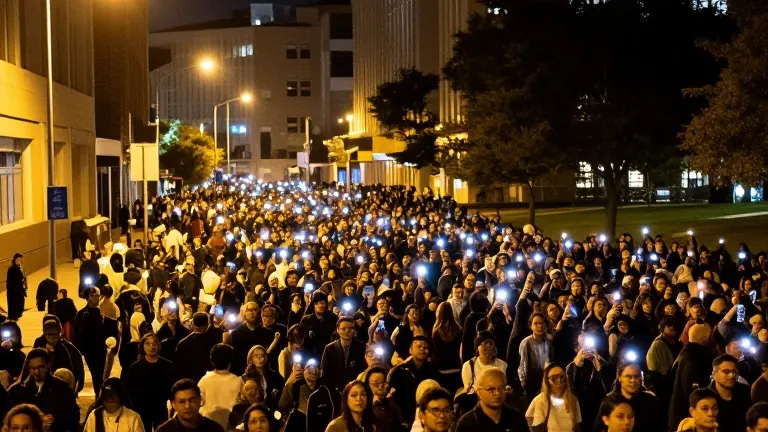
Sixty thousand volunteers and encrypted apps helped students topple Serbia’s 14-year ruler
Logistics coordinators Marko Bojovic and Adrian Kraljevic explain how a decentralized network overcame state surveillance to defeat Aleksandar Vucic.
By Sophia Bennett ·
Serbian voters on Oct. 25 cast ballots that ended a 14-year rule by President Aleksandar Vucic. The victory for the Students List resulted from a logistical operation involving 60,000 volunteers who used specialized mobile applications to coordinate their efforts. Marko Bojovic, a 24-year-old logistics coordinator with a degree in history, described the strategy as a Spartan battle where the group would either return with their shields or on them.
The movement began after the canopy collapse at the Novi Sad train station in November 2024 killed 16 people. Djordje Trikos, a political campaign strategist based in London, noted that the disaster acted as a catalyst for change. Many citizens switched sides because they considered their reality unbearable, he said. Bojovic said the students viewed Vucic’s power structure as a pyramid and decided to dismantle the base by launching a student in every village campaign.
Activists marched and cycled through the country to reach Vucic’s strongholds. Bojovic said the team knocked on almost every door in Serbia. They countered pro-government attacks that labeled them enemies of the state by telling citizens they were their children. Dragica Jovanovic, an 83-year-old pensioner from Belgrade, said the approach worked. She noted that Vucic made her choose between him and her grandchildren, and the students touched her heart.
The organization relied on a dedicated IT community to build secure communication tools. Kraljevic, who is 21, explained that the apps featured a team-tracking map, a live communication panel, and a panic button. The software was hosted on Android and iOS stores under cryptic names and protected by multiple security layers. Volunteers received usernames and security codes on election day to activate the systems. The apps were turned off after the Oct. 25 vote.
Digital watchdog groups reported that spyware infected the phone of the Belgrade university rector and several activists. The malware included Israeli NSO Group’s Pegasus and domestically developed code. Serbia’s Security Information Agency dismissed these allegations as false and malicious. Bojovic said the students constantly changed venues to avoid surveillance, meeting in basements, attics, and cafes.
Tensions rose on election day as special police fenced off streets in central Belgrade. Masked loyalists of Vucic gathered in a park near Parliament where they had camped for over a year. Kraljevic said masked men lined up in front of his polling station, creating a tense atmosphere. Vucic conceded defeat at 9:30 p.m., and the group quietly dispersed.
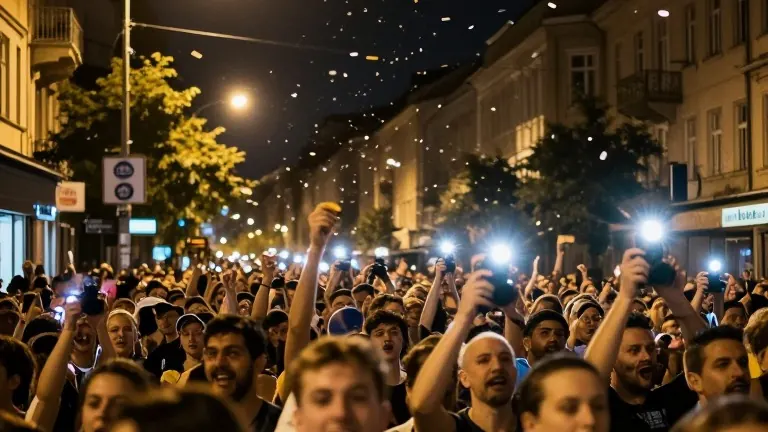
Hundreds of thousands of people flooded the streets to celebrate. For Kraljevic, the victory meant his mother could finally say his name over the phone without fear that he would be followed or harmed.