130 million: The tuition gap facing Minnesota students
Rep. Mohamud Noor, an incumbent in Minneapolis, cites a massive deficit in state-run college aid as he seeks a fifth term in a district covering the University of Minnesota campus.
By Sophia Bennett ·
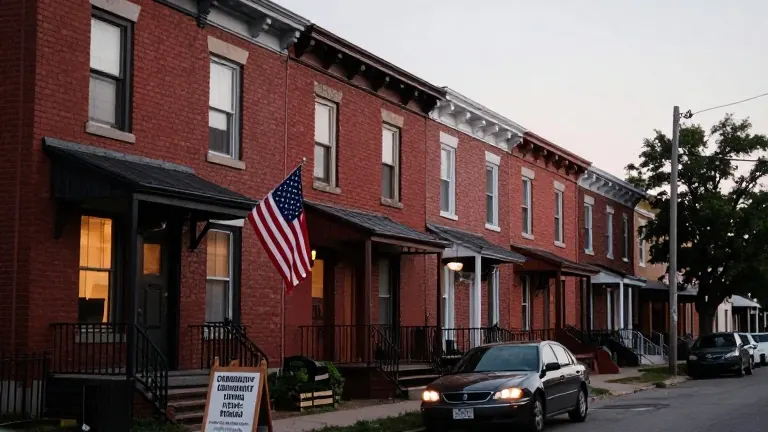
A $130 million deficit in state-run college aid stands as the central financial hurdle for students in Minnesota House District 60B. Rep. Mohamud Noor, who has served in the state legislature since 2018, identifies this shortfall as the primary reason tuition costs are rising at the University of Minnesota. He is running for a fifth term in the district, which covers 42,000 residents in neighborhoods including Cedar-Riverside, Stadium Village, and Como.
Noor secured his party's nomination in the Democratic primary this year, defeating Abdurrahman Mahmud. He received 85% of the vote and the endorsement of the DFL party. The district includes the University of Minnesota Twin Cities campus, where the financial strain on students has become a focal point of the campaign.
The state-run program that provides college grants currently faces a $131 million shortfall. Noor stated that this deficit means many students will pay more than $7,000 this year. He noted that the university continues to raise tuition rates, making higher education less accessible for many individuals. The lack of funding for the North Star Promise Act, a state-funded grant, contributed to this growing gap in aid.
Noor has served as co-chair of the Human Services Finance and Policy Committee, which manages the state’s largest budget. He explained that needs for seniors and disability services are expanding, shifting focus away from K-12 education. He said the committee must address these growing demands while also dealing with the financial pressures in higher education. His legislative record includes service on the Higher Education Finance and Policy and Ways and Means committees.
The political context of this year's midterms complicates budget negotiations. The House and Senate are tied, and control of both chambers is highly contested. Noor said that whoever succeeds Gov. Tim Walz in the executive branch will need to work with both parties to address immediate challenges. He emphasized that there is no time to wait until January for legislative action to begin.
Federal policy changes are also affecting state finances. Healthcare cuts under the One Big Beautiful Bill Act are projected to remove 140,000 Minnesotans from Medicaid plans. Noor warned that these cuts could increase the tax burden on local governments. He said the ripple effects of these federal decisions require immediate attention from state leaders.
Noor plans to focus on making college more affordable through a mix of funding grants and university-level changes. He intends to investigate the causes of the University of Minnesota's financial troubles. He expressed concern that if students cannot afford to finish their degrees, they may drop out with debt. He also noted that cutting faculty and programs could reduce the number of international students, a group that previously generated significant revenue for the university.
Noor, a resident of Cedar Riverside for 27 years, works with the University's Undergraduate Student Government to identify student issues. He said he requires the Board of Regents to secure student votes before seeking his support for their proposals. He stated that students are the ones impacted by the decisions made by the board. He is also prioritizing a new park building in Cedar Riverside and a co-op grocery store on campus.
On Oct. 21, Noor walked through the Cedar Riverside neighborhood to promote a voting pop-up at the Cedar Cultural Center. Residents stopped to shake his hand and discuss local issues. He said the community has pushed him to make a difference and that he feels a responsibility to give back to the area where he has lived most of his life.