Breaking: PJM Grid Emergency Covered 67 Million People in 13 States Last Month
Federal authority granted PJM temporary control over generation and data center backups during October 13 to 16 as warm weather collided with scheduled maintenance.
By Madison Cooper ·
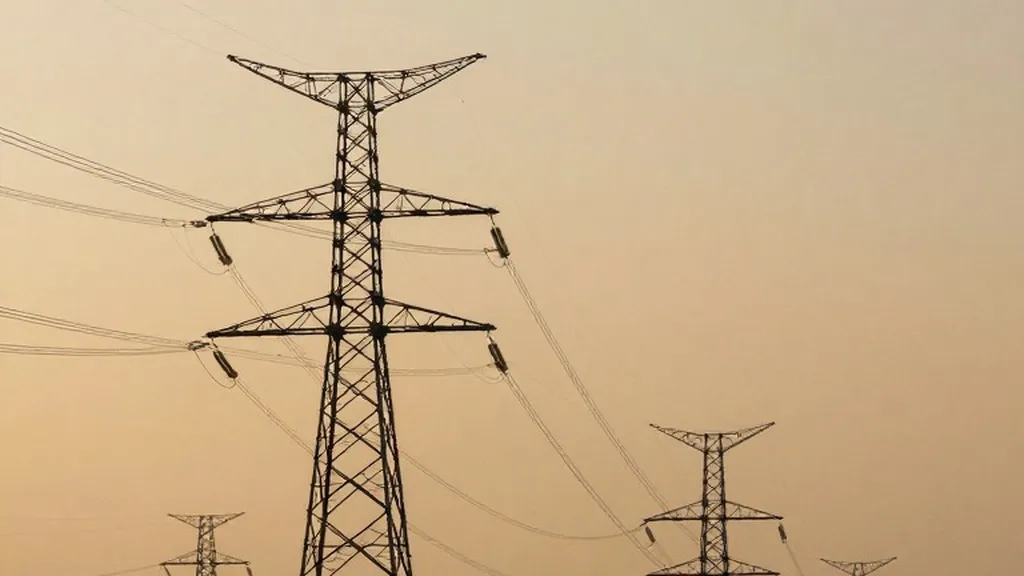
The U.S. Department of Energy declared a power grid emergency across 13 states and the District of Columbia on Sunday, October 12, 2026. Energy Secretary Chris Wright issued the order under section 202(c) of the Federal Power Act, granting PJM Interconnection temporary emergency authority to keep the regional grid stable from October 13 through October 16. This jurisdiction covers Delaware, Illinois, Indiana, Kentucky, Maryland, Michigan, New Jersey, North Carolina, Ohio, Pennsylvania, Tennessee, Virginia, West Virginia, and the District of Columbia. Together, these areas serve approximately 67 million people. For readers outside this specific region, the federal order did not cover their local grid, though it highlights the increasing strain on national energy infrastructure.
The primary driver of this emergency was an unusual collision between warm October weather and the fall shoulder season. During this period, generator and transmission owners typically take equipment offline for maintenance and upgrades ahead of winter. Because most scheduled outages are prohibited during the summer peak, which ended in mid-September, the accumulation of maintenance work created a significant capacity shortfall. PJM noted that this volume of outages is typical for the shoulder season but becomes critical when demand remains high due to warm temperatures.
To manage the situation, PJM utilized a series of alerts that function differently than a standard blackout warning. On Friday, October 9, the grid operator issued a Capacity Advisory for Monday, October 12, and Tuesday, October 13. This was the first time this procedure had ever been used. It signals to stakeholders that projected conditions indicate an approaching capacity shortfall. A Maximum Generation Alert, issued later in the week, tells transmission and generation owners that conditions are tight. This allows them to defer or cancel equipment maintenance and testing. It also informs neighboring grid operators that electricity exports from PJM may be curtailed to prioritize local supply.
For the 67 million people in the service territory, these alerts did not require immediate action. Federal officials and PJM stated that the order was meant to prevent interruptions rather than announce scheduled blackouts. No blackouts occurred, and no mandatory conservation orders were issued for households. Daily electricity use stayed normal. However, the order allowed PJM to direct designated generation units to produce electricity beyond their normal operating permits. It also authorized the grid operator to direct large electricity users, such as data centers, to switch to their backup generation if necessary to preserve grid stability.
The role of data centers in this emergency was significant. PJM sought to deploy auxiliary, standby, directly connected, and battery storage resources at these facilities. The department noted that the shoulder-season reprieve is not what it used to be because new demand from data centers and other energy-intensive customers does not fall with the weather. This consumption is a 24/7 phenomenon that is outpacing new transmission and electricity supply. During the emergency, PJM also called on Demand Response programs. These programs pay customers who sign up in advance to cut electricity use when the grid is stressed, providing a crucial buffer during tight conditions.
Transmission limits also played a critical role in the October emergency. Scheduled transmission line outages limited how much electricity could move between zones. Generation was bottled in some areas because of these constraints. This was particularly true for resources serving congested zones in Washington D.C., Maryland, and Virginia. Specifically, the BGE, Pepco, and Dominion zones experienced significant pressure. The ability to move power from areas with surplus generation to areas with high demand was restricted, forcing local resources to work harder to meet local needs.
Looking ahead to the current winter season, PJM released its Winter Outlook on November 5. The grid operator expects sufficient resources to reliably meet demand under expected conditions. However, reserve margins continue to tighten as demand outpaces new supply. PJM expects 182,426 megawatts of operational capacity to serve a forecast winter peak of approximately 147,500 megawatts. This figure also accounts for about 3,200 megawatts of average exports to neighboring systems. If reached, this peak would set a new winter record, driven largely by sustained demand growth.
Reliable winter operations will depend on strong generator performance during extreme cold, especially where transmission constraints limit deliveries. The BGE, Pepco, and Dominion zones in Maryland, Virginia, and the District of Columbia remain areas of focus. Michael Bryson, PJM’s senior vice president of operations, stated that the goal is to coordinate operations with generation and transmission owners. He emphasized the need to proactively manage the system to perform at high levels when consumers need energy the most. The October emergency serves as a reminder that the grid faces new challenges as demand patterns evolve.