Colorado regulators exempted drilling chemicals from public disclosure for 843,000 days
A new analysis says the state's interpretation of its 2022 transparency law ignores the definition used by legislators and industry standards.
By Omar Khalil ·
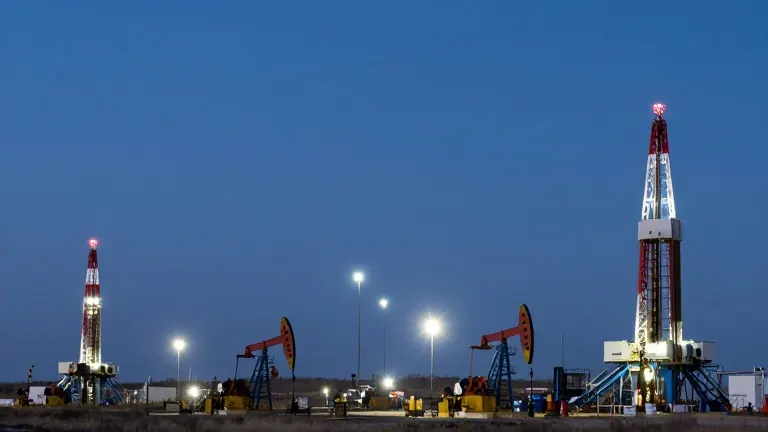
A new analysis by the FracTracker Alliance states that fossil fuel operators in Colorado are violating state law by failing to disclose the chemicals used in drilling. The non-profit alleges that regulators have created a loophole by excluding drilling from the definition of production, even though the 2022 statute requires disclosure of all chemicals used in downhole oil and gas production.
State records indicate that wells subject to the law operated without disclosing drilling chemicals for a collective total of 843,369 days from the implementation of the rules until May 16, 2026. FracTracker notes that while compliance for other fracking chemicals has risen to near 100 percent since 2023, drilling compound disclosures remain absent. The group found that operators have used at least five chemicals prohibited by state law for fracking, along with three highly toxic compounds that raise safety concerns.
The core of the dispute lies in the definition of production. The Colorado Energy and Carbon Management Commission (ECMC) has stated it does not consider drilling to be part of fracking or production. Dusty Horwitt, FracTracker's senior research and policy counsel, said this interpretation contradicts the American Petroleum Institute, which defines production to include drilling, extraction, and recovery. Horwitt noted that the ECMC's position was new information to the organization and inconsistent with standard industry literature.
Meg Froelich, the state representative who co-authored the 2022 legislation, said she intended for drilling chemicals to be included. She accused the ECMC of word-parsing and stalling. The law covers everything that goes downhole because everything that goes downhole has the potential to affect neighbors, Froelich said. She described the regulatory shift toward public health protection as occurring in fits and starts since Democrats took over the state government.
The lack of transparency leaves regulators without full data on the chemical impact on nearby residents. Approximately 43,000 people live within a mile of state wells, with many residing within a few hundred feet. Shannon Smith, FracTracker's executive director, called the situation a public health crisis. The organization, founded in Pennsylvania in 2010, now operates nationally to monitor health threats from the fossil fuel industry.
Specific chemical risks include the potential use of PFAS, which is banned at oil and gas sites but common in drilling fluids according to industry literature in Canada and Norway. The report also cites records from Ohio showing frequent use of xylene, a chemical linked to headaches, dizziness, and loss of muscle coordination. FracTracker identified five prohibited compounds found in fracking fluids: 1-butanol, 2-butoxyethanol, 1,4-dioxane, N,N-dimethylformamide, and BMPA.
The ECMC acknowledged differing views on the scope of the disclosure requirements. A spokesperson for the agency said it is applying the law under the current framework while working with stakeholders to clarify issues. Chevron, one of the state's top producers, stated it is committed to safe and responsible operations and takes chemical disclosure requirements seriously.