Myanmar Government Rejects ICJ Genocide Verdict Citing Split Vote
Naypyitaw officials argue the 9-6 decision is inequitable, while 1.2 million Rohingya refugees in Bangladesh mark the ruling as a historic validation of their ethnic status.
By Madison Cooper ·
Myanmar’s government formally dismissed the International Court of Justice’s determination that its security forces committed state-sponsored genocide against the Rohingya. A spokesperson for the ruling military junta declared the verdict unfair in a press conference held in Naypyitaw. The primary objection centered on the fact that the judges did not reach a unanimous agreement. The administration, led by President Min Aung Hlaing, maintained that the court unjustly accused the nation without full consensus among the judicial panel.
Khine Khine Soe, the official spokeswoman for the president, argued that political bodies should not abuse their judicial authority. She emphasized that the lack of unanimity rendered the outcome inequitable for the state. Hlaing served as the commander-in-chief during the 2017 clearance operations in Rakhine state before taking full control in a 2021 coup. The government continues to describe those actions as a military response to insurgents rather than an ethnic purge.
The ICJ ruling establishes a legal precedent as the first time the court has held a state responsible for genocide. The finding also represents the fourth instance since World War II where an international tribunal confirmed the legal threshold for the crime was met. The court’s findings detailed mass executions of men and boys, widespread sexual violence against women, and the destruction of hundreds of villages. Evidence presented indicated that approximately 100,000 Rohingya were killed during the 2017 operations in northern Rakhine.
In Cox’s Bazar, Bangladesh, thousands of Rohingya refugees gathered to celebrate the decision. Community leaders described the ruling as a victory that finally recognized their distinct ethnic identity. Mohammad Rofik, a local leader, noted that while the verdict was a win, it did not end their suffering. He stated that justice had only begun and the group still had a long path ahead.
Sayed Ullah, another community figure, pointed out that Myanmar had long denied the Rohingya existed as a separate people. He stressed that the court’s findings confirmed their distinct culture, language, and land. Other leaders, including Mohammad Osman, called on the international community to impose severe punishment on Myanmar’s authorities based on the new findings.
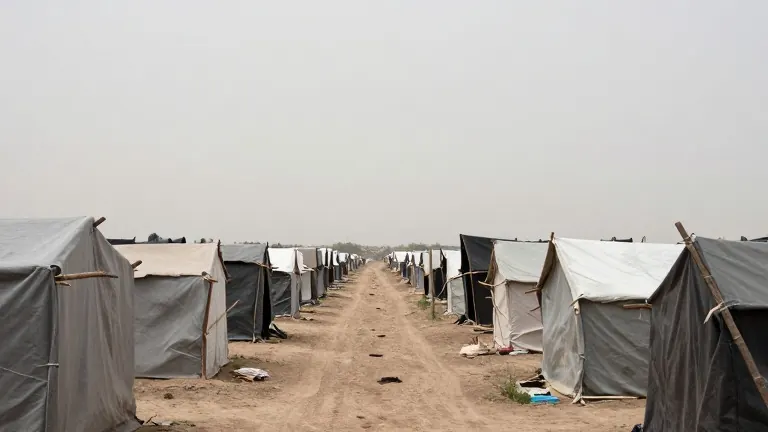
The Rohingya population, primarily Muslim, faces ongoing persecution in the Buddhist-majority country. Currently, 1.2 million refugees live in crowded camps in neighboring Bangladesh where conditions are deteriorating. The US-based group Justice for All urged the Trump administration to support a UN General Assembly resolution. The proposed text would demand Myanmar comply with the judgment and accept international monitoring.
Enforcement of the ruling faces procedural hurdles. The ICJ and many of its staff are currently subject to US sanctions. Consequently, any action taken by the UN Security Council would likely encounter a US veto. The case was originally brought by officials from Gambia. The court reached its final conclusion through a nine to six vote in favor of the genocide finding.