Shekel slides 8% as Israel's coalition talks stall
The currency has hit its lowest point since September 2025, falling behind only Colombia and Brazil among major global currencies.
By Omar Khalil ·
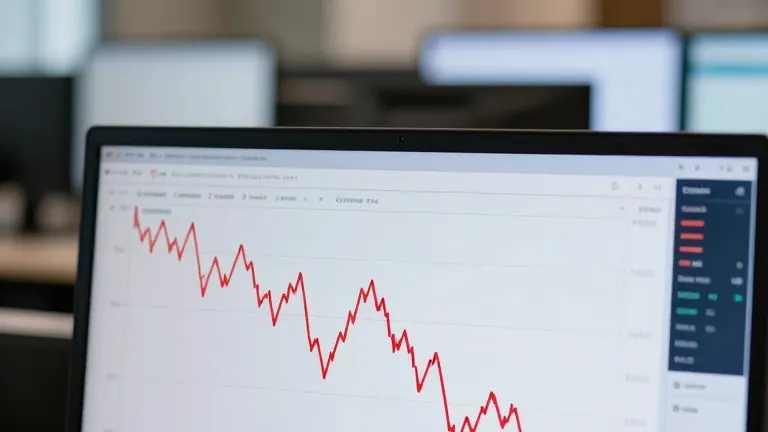
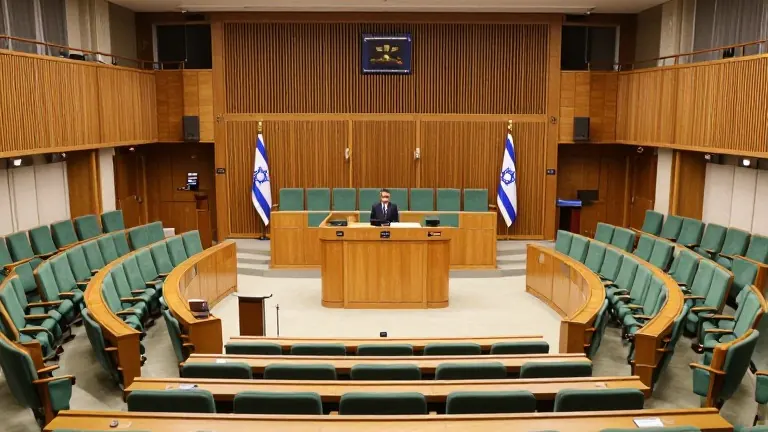
The Israeli shekel has lost more than 8% of its value against the US dollar since the Knesset election on October 27. This drop ranks as the third-worst performance among 31 widely traded currencies, trailing only Colombia's peso and Brazil's real.
The slide reversed a pre-election rally that had been fueled by market bets that Prime Minister Benjamin Netanyahu's tenure would end. Investors had anticipated a market-friendly coalition would emerge. Instead, the election results produced no clear path to a change in government.
Gadi Eisenkot, leader of the Yashar party, received the mandate from President Isaac Herzog earlier this month. His coalition talks have now entered a third week without major progress. Eisenkot must assemble a government by December 6, with the option for a two-week extension.
If Eisenkot fails, and Netanyahu does not succeed in forming a government, any lawmaker has 21 days to declare a 61-seat majority. If that window closes without an announcement, repeat elections will be automatically triggered.
Bank Hapoalim chief economist Modi Shafrir cited the domestic political deadlock as the primary driver of the currency's weakness. He noted that Israel's risk premium has climbed as markets fear repeat elections and potential sanctions.
Global factors are also contributing to the slide. The US Dollar Index rose by about 2% in November. Additionally, Israeli institutional investors are rebalancing portfolios by buying dollars after the sharp sell-off in US stocks reduced the value of their Wall Street holdings.
Israeli equities have also come under pressure. The benchmark TA-125 index has fallen 4.7% this month, though it remains up 2.4% from the start of 2026. Leader Capital Markets chief economist Jonathan Katz said that if Eisenkot cannot form a majority, another election is the most likely outcome.
The outgoing Netanyahu-led government has faced criticism for its economic policies. These include allocating funds to special-interest groups and failing to support military reservists who have served for extended periods. Katz said foreign investors remain largely underweight Israel until they see greater political clarity.
The Israel Democracy Institute warned that the absence of a stable government threatens to delay budgetary spending priorities. Daphna Aviram-Nitzan, head of the IDI Center for Governance and Economy, said a caretaker government makes it likely the state budget will not be approved.
Shekel weakness has intensified as investors watch for a clear fiscal outlook. Ronen Menahem, chief markets economist at Mizrahi Tefahot Bank, said any delay in coalition formation remains a catalyst for volatility in the local financial market.
More Business · Scam Watch · Report a business · Got a Story?