US farm exports to Asia lag behind new trade deal targets
A review of 10 recent agreements shows that while some purchase commitments are being met, others like Indonesia and Malaysia are falling well short of annual goals.
By Madison Cooper ·
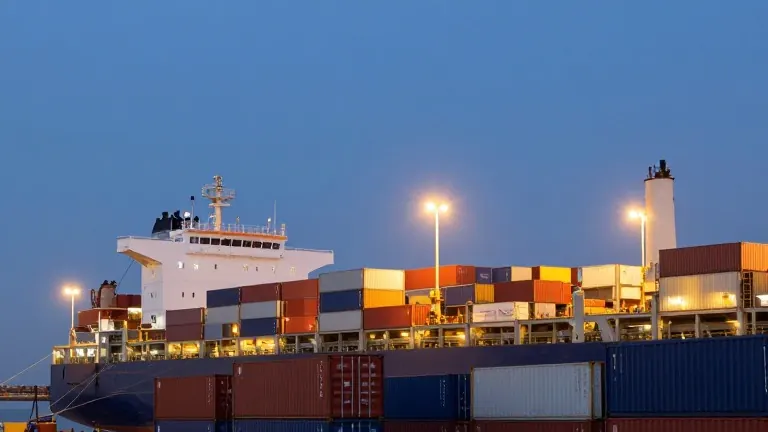
President Donald Trump highlighted a series of agricultural trade victories during his Asian trip this week, but new data suggests US farm exports are not keeping pace with the commitments made by partner nations. A review of ten trade deals indicates that while some targets are on track, many have failed to generate the expected surge in sales since tariffs were introduced.
China, the largest trading partner in the region, appears set to meet its 2026 goal of purchasing 25 million metric tons of US soybeans. However, this volume remains lower than levels seen before the tariffs announced in April 2025. Beijing has also agreed to buy $17 billion worth of other US farm products this year, a commitment that remains largely unfulfilled according to recent figures.
Indonesia, which agreed in February to import $4.5 billion in farm goods, has seen US exports total less than $2.4 billion in the first nine months of 2026. This amount is roughly in line with the same period over the last decade. The country had committed to importing 3.5 million tons of US soybeans annually, but only 54% of that goal had shipped as of September.
Other specific product targets have seen even steeper declines. US wheat exports to Indonesia totaled less than 450,000 tons, representing less than a quarter of the annual commitment. Soymeal exports were even lower, with just 150,000 tons shipped against a target of 3.8 million tons. In Malaysia, US pork exports through September were down 52% from the same period a year earlier, while shipments of poultry and sorghum stood at zero.
The gap between announced deals and actual shipments has raised questions about the effectiveness of the administration's strategy. Scott Lincicome, vice president of economics and trade at the Cato Institute, noted that the situation involves a lot of talk and not much action. He added that other nations are lowering barriers to rival exporters rather than directly retaliating against US tariffs.
The White House stated that China has achieved partial compliance with its previous agreement but did not provide detailed comments on other Asian partners. The Office of the US Trade Representative did not immediately respond to requests for comment. These findings come after dissatisfaction with the tariff strategy contributed to losses for the Republican Party in recent midterm elections, including among farmers who previously supported the president.
Trump met with Chinese President Xi Jinping in Shenzhen on Thursday, following a stop in the Philippines for a Southeast Asian summit. While the US reached what Trump called a very big trade deal with the Philippines, Manila described the outcome as an understanding on economic cooperation. The contrast in language highlights the differing perspectives on the recent negotiations.
More Business · Scam Watch · Report a business · Got a Story?