Florida voters deliver wave as Democrats seize House, Senate control
A historic shift in power leaves Florida voters with a new congressional delegation and a state government that will soon face fresh oversight from Washington.
By Madison Cooper ·
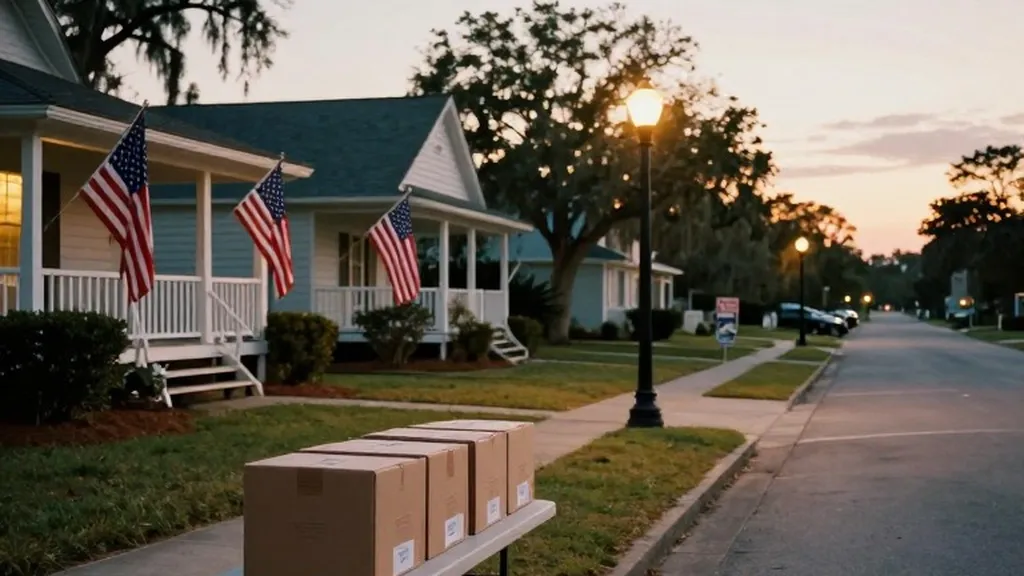
The political landscape in the United States shifted dramatically on Election Day, Tuesday, November 3, 2026, as voters across the nation delivered a decisive mandate for change. In Pensacola, residents cast their ballots in a general election that determined the composition of the next U.S. Congress and the direction of state leadership. The results, compiled by Ballotpedia, indicate that Democrats have won majorities in both the U.S. House of Representatives and the U.S. Senate, marking a significant reversal of control for the party of President Donald Trump.
This outcome is particularly significant for Florida, a state that has frequently served as a bellwether for national political trends. With every U.S. House seat in the state on the ballot, voters in the Pensacola area and across Florida decided the makeup of their congressional delegation. The national results show that Democrats picked up at least 43 House seats, including 42 that were previously held by Republicans and one held by an independent. This gain ensures that Democrats will hold at least a 250 to 157 majority in the House of Representatives once the new Congress convenes.
The Senate race also saw a substantial shift in power. Democrats secured seven Senate seats that were previously held by Republicans, resulting in a projected 54 to 44 majority. This net loss of at least seven seats for the Republicans places this election year in the top 20 percent of election years in terms of seat swings against a president's party. Political analysts have defined this threshold as a wave election, a term that now applies to the Senate results as of the data reported by Ballotpedia on November 6.
For Florida voters, the implications of this national shift are immediate and profound. The state's representatives will now be part of a minority party in both chambers of Congress until the new session begins in January. This change in power dynamics affects legislative priorities, oversight capabilities, and the ability to shape federal policy. Florida's governor's race, which was an open seat with no incumbent running, was also decided on Tuesday. The winner will now govern a state whose federal representatives have shifted to the other party, potentially creating a new dynamic of divided government at both the state and federal levels.
The election also saw a majority of governorships won by Democrats for the first time since before the 2010 elections. This broad sweep suggests that voters are seeking a change in the direction of the country's leadership. In Florida, the election of a new governor, chosen from among Democratic, Libertarian, No Party Affiliation, and Republican candidates, will influence state policies on education, infrastructure, and economic development. The state's legislative chambers, including the State Senate and State House, also saw significant activity on election day, with results contributing to the broader narrative of a national political wave.
The shift in Congress has already begun to impact political discourse and future legislative strategies. Democrats in Congress are preparing to use their new majorities to address key issues, including the dismantling of the U.S. Education Department and federal funding for higher education. Rep. Bobby Scott of Virginia, who is set to lead the House Committee on Education and the Workforce, has indicated plans to use investigative powers to review administration actions. This oversight will affect federal programs that directly impact Florida residents, including student loan oversight and education policies that have been in flux under the current administration.
In the Senate, Democrats are expected to take a more assertive role in confirming or rejecting presidential nominees and passing legislation that requires a supermajority. The loss of control for the Republican party in the Senate means that key appointments and treaties will face stricter scrutiny. For Florida, this could influence the appointment of judges to federal courts within the state, as well as the confirmation of agency heads who regulate industries vital to the state's economy, such as tourism, aviation, and technology.
The election results also highlight the importance of local and state offices in shaping the political landscape. In Pensacola and other Florida towns, voters elected state and local officials who will work alongside the new congressional delegation. These local leaders will play a crucial role in implementing federal policies and securing funding for state projects. The election of a new state legislature in Florida will determine the budget and priorities for the next two years, including investments in infrastructure, education, and healthcare.
The wave election has also raised questions about the future of the Republican party and its strategy for the next midterm cycle. The significant loss of seats in both chambers of Congress will force the party to reassess its messaging and outreach to voters. In Florida, where the party has traditionally held a strong base of support, the results may prompt a reevaluation of how to engage with key demographic groups, including Latino voters and younger voters who participated in high numbers on election day.
As the new Congress prepares to convene in January, the focus will turn to the legislative agenda and the potential for bipartisanship. The Democrats' majority in both chambers gives them the power to pass legislation without the support of the Republican party, but they will still need to work with President Trump, who remains in office until the next inauguration. The relationship between the White House and the new Congress will be a key factor in determining the pace and direction of federal policy in the coming months.
For now, the results of the 2026 midterm elections stand as a clear signal from voters that they are seeking a change in the direction of the country. The shift in power in Congress, combined with the election of new state leaders in Florida, sets the stage for a new era in American politics. The coming months will test the ability of the new majority to deliver on its promises and to work effectively with the executive branch to address the nation's challenges.