Gov. races flip: Democrats gain 5 offices, break 18-18 tie
Nationwide results show Democrats winning 22 of 36 governorships, a shift not seen since before 2010, while Florida voters decided on an open seat.
By Sophia Bennett ·
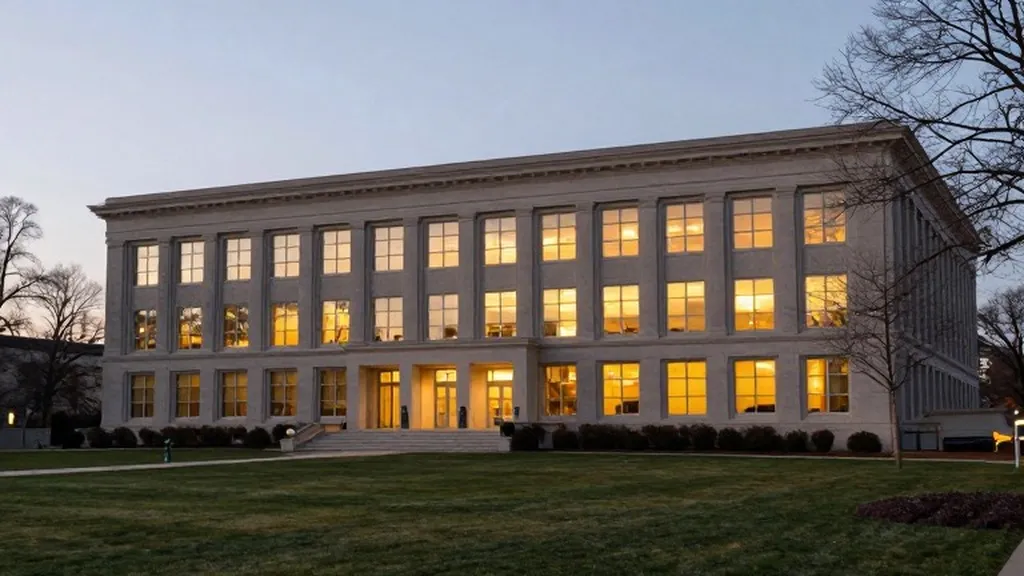
Florida voters cast their ballots Tuesday for an open gubernatorial race, a decision that now stands as part of a historic national trend in state leadership. In Pensacola, Tallahassee, and Gainesville, polls were open from 7 a.m. to 7 p.m., allowing residents to weigh in on this high-profile contest. The state also saw every U.S. House seat on the ballot, alongside various state and local offices and measures that vary by county. While the specific winner in Florida is part of the broader tally, the state’s outcome contributes to a significant shift in partisan control across the country.
As of 5:00 PM ET on November 10, Democrats have won 22 of the 36 gubernatorial races, while Republicans have secured 12. Two races remain uncalled, one previously held by a Democrat and one by a Republican. This result marks a decisive change in the balance of power at the state level, with five governorships changing party control from Republican to Democratic hands. This is the first time since before the 2010 elections that Democrats have won a majority of governorships nationwide.
Heading into the 2026 elections, the national partisan split among governors was exactly 18 to 18, with 18 offices held by Democrats and 18 by Republicans. Democrats needed to net two governorships to control a majority, while Republicans needed to retain all of their offices or gain new ones to keep their majority. Republicans had held a majority of governorships nationwide since 2010, when they gained a net six offices and Democrats lost a net seven. The 2026 results have effectively ended that long-standing Republican dominance in statehouses.
Ballotpedia identified nine races as battlegrounds in this cycle. These included the gubernatorial elections in Alaska, Arizona, Georgia, Iowa, Kansas, Michigan, Nevada, Ohio, and Wisconsin. The outcome in these states was critical to determining the final national majority. In these competitive contests, Democrats were able to secure victories that tipped the national scale in their favor. The battleground status of these nine states highlighted the narrow margins that often define midterm elections in state leadership.
Nineteen of the 36 gubernatorial elections had no incumbent on the general election ballot. Fifteen incumbent governors were term-limited, consisting of six Democrats and nine Republicans. Additionally, three governors who were eligible to run for re-election chose not to. These non-running incumbents were Iowa Governor Kim Reynolds, a Republican, Minnesota Governor Tim Walz, a Democrat, and Wisconsin Governor Tony Evers, a Democrat. Rhode Island Governor Daniel McKee, a Democrat, ran for re-election but lost in a primary. The presence of so many open seats created opportunities for new candidates to step in and shape the political landscape.
Democrats were defending five governorships in states that President Donald Trump won in the 2024 presidential election. These states were Arizona, Kansas, Michigan, Pennsylvania, and Wisconsin. Conversely, Republicans were defending two governorships in states that Kamala Harris won in 2024, specifically New Hampshire and Vermont. The performance of candidates in these states was a key indicator of how voters in areas that leaned one way in the presidential race would vote in the midterms. The results in these defensive battles contributed to the overall net gain for the Democratic Party.
In the 2022 election cycle, the last time this set of offices was up for election, only four offices changed party hands. Partisan control changed from Republican to Democratic in Arizona, Maryland, and Massachusetts. In contrast, control changed from Democratic to Republican in Nevada. The 2026 cycle saw a much larger shift, with five offices changing from Republican to Democratic control. This indicates a stronger wave of support for Democratic candidates in this midterm election compared to the previous one. The number of flipping seats serves as a direct measure of the changing political tide at the state level.
Two states held gubernatorial elections in 2025, and 11 held gubernatorial elections in 2024. One state’s governorship, Virginia’s, changed from Republican to Democratic control in 2025. No state’s governor’s office changed party control in 2024. The 2026 election cycle represents the culmination of several years of shifts in state leadership. The recent history of these offices shows a gradual but steady movement in partisan control, culminating in the significant Democratic gains seen in the 2026 results. This pattern underscores the volatility of state-level politics in recent years.
For Florida residents, the open seat nature of the governor’s race meant that no incumbent was seeking re-election, allowing a fresh contest between the major parties. The parties on the ballot included the Democratic, Libertarian, No Party Affiliation, and Republican candidates. This structure allowed voters in the Pensacola and Tallahassee regions to evaluate the candidates without the influence of an incumbent’s popularity or policy record. The decision in Florida adds to the total of 22 Democratic wins and 12 Republican wins currently reported in the national tally.
The final tally of 22 Democratic and 12 Republican victories, with two races still undecided, places the Democratic Party in a position of strength in state governments. This shift will likely influence policy directions in areas such as budgeting, education, and infrastructure across the nation. The five states that flipped from Republican to Democratic control will see new leadership teams take office, potentially altering the legislative agendas in those statehouses. The 18 to 18 pre-election split has been decisively broken, marking a new era in the distribution of state-level power in the United States.
Voters in these 36 states have now spoken, resetting the partisan balance in state capitols. The five net gains for Democrats end a 16-year period of Republican majority in governorships. The two remaining uncalled races may slightly adjust the final numbers, but the current count of 22 to 12 already secures a Democratic majority. This outcome reflects the broader midterm trend where Democrats gained control of the U.S. House and Senate. The state-level results align with the federal victories, indicating a comprehensive shift in the national political landscape.