Florida voters navigate poll hours, ID rules, and mail ballot logistics
With results in from the 2026 general election, a look at the practical steps Pensacola and Tallahassee residents took to cast their votes.
By Omar Khalil ·
The 2026 general election in Florida has concluded, with voters across the state having cast their ballots on Tuesday, November 3. For residents in Pensacola, Tallahassee, and Gainesville, the day involved a mix of standard procedures and specific state regulations that shaped the voting experience. The election featured contests for every U.S. House seat in the state, the governorship, and various state and local offices. There was no U.S. Senate election in Florida this year, focusing attention on the state executive race and legislative seats.
Polling places across Florida opened at 7 a.m. and closed at 7 p.m. on Election Day. This schedule was consistent statewide, though the state is divided between the Eastern and Central time zones. Voters in Pensacola, located in the Eastern Time Zone, had the same standard operating hours as those in Tallahassee and Gainesville. The uniform schedule allowed for a coordinated start and end to the voting process, ensuring that all polling locations opened simultaneously for the public.
Finding the correct polling location was a key step for many voters. The state recommended using vote.gov to identify specific polling places. This tool allowed residents to input their address to receive precise directions. For many in the county, this was the first step in planning their day, especially for those who had not voted in person at a new location recently. The website served as a central resource for navigating the logistics of in-person voting.
Identification rules played a significant role in the voting process. Florida law requires voters to present a valid photo ID to cast a ballot. Acceptable forms of identification included a driver's license, state ID card, passport, or military ID. Voters who did not have photo ID could sign an affidavit, provided they had no objection from other voters. This requirement meant that many voters prepared their identification documents the night before, ensuring a smooth check-in process at the polls.
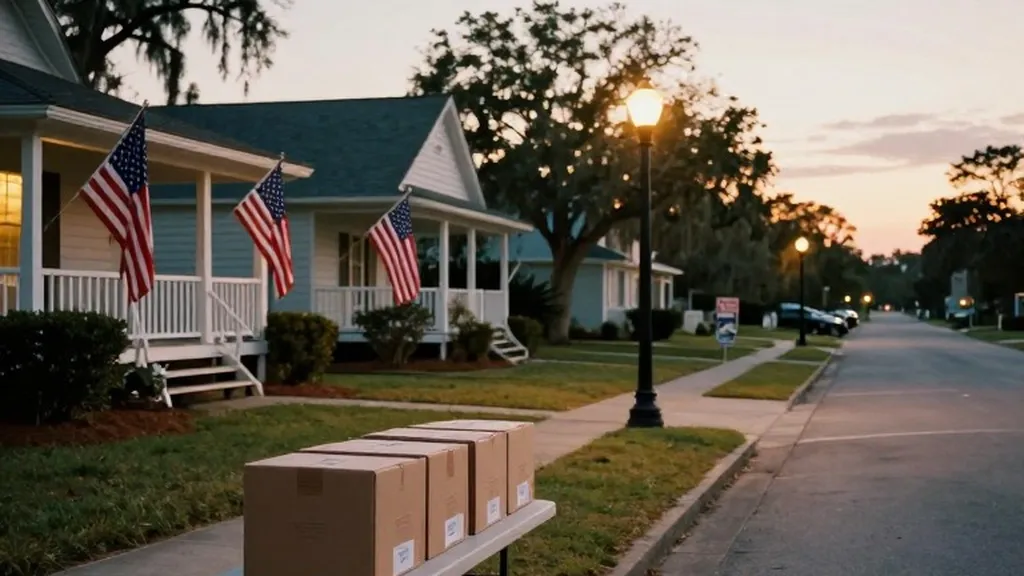
Mail ballots were another critical component of the 2026 election. Florida allows for mail-in voting, and many residents chose this method to avoid lines or accommodate their schedules. The U.S. Postal Service played a vital role in the distribution and return of these ballots. Voters could request mail ballots online or by mail and return them by mail, in person, or in drop boxes. The timing of these ballots was crucial, as they had to be postmarked by Election Day to be counted.
Staying in line was a common experience for voters, particularly in high-traffic polling places. Lines formed early in the morning, with some voters arriving before the 7 a.m. opening. The practice of staying in line became a focal point for many, as voters waited for their turn to cast their ballots. Poll workers managed the queues, ensuring that the process remained orderly. For some, the wait was a time to discuss the day's events with fellow voters, creating a sense of community in the polling place.
The governor's race was a headline contest in Florida, with an open seat and no incumbent running. The ballot included candidates from the Democratic, Libertarian, No Party Affiliation, and Republican parties. This race drew significant attention, as the outcome would shape the state's executive leadership for the next term. Voters in Pensacola and other towns weighed their choices carefully, reflecting the competitive nature of the state's political landscape.
Local and state legislative elections were also on the ballot, with every U.S. House seat in Florida up for grabs. These races were crucial for determining the state's delegation to Congress. Voters in the county participated in these contests, casting ballots for their preferred candidates. The results of these elections would influence federal policy and funding for the region, making them a priority for many residents.
The Postal Service's role in the election was evident in the handling of mail ballots. The agency worked to ensure that ballots were delivered and returned in a timely manner. This infrastructure was essential for the integrity of the mail voting process, allowing voters to participate from home. The coordination between the state and the Postal Service helped facilitate a smooth transition for those who voted by mail.
As the day progressed, polling places remained busy, with voters continuing to arrive until the 7 p.m. close. The combination of in-person and mail voting methods provided flexibility for residents. The practical aspects of the election, from poll hours to ID rules, were central to the experience for voters in Pensacola, Tallahassee, and Gainesville. The day concluded with the tallying of votes, setting the stage for the next phase of the political cycle.
The election results reflected the diverse options available to Florida voters, with contests at multiple levels of government. The practical guide to polling hours, vote.gov, and mail ballots was integral to the process, ensuring that residents could exercise their rights effectively. The day marked a significant moment in the state's political calendar, with the outcome of the governor's race and House elections shaping the future of Florida's governance.