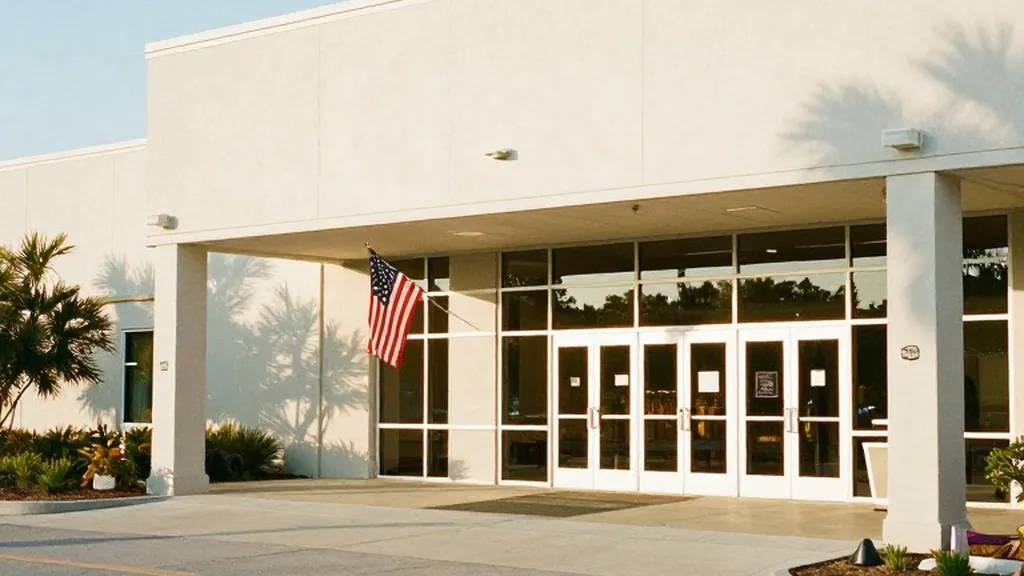
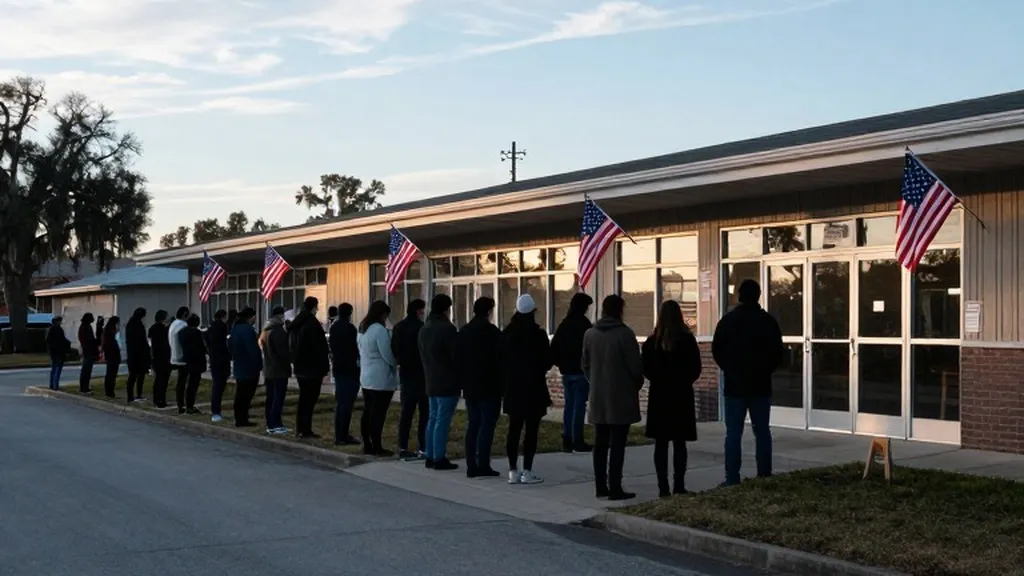
Voters in Pensacola and Tallahassee face long ballot Tuesday
Polls are open from 7 a.m. To 7 p.m. As residents decide on a new governor, a U.S. Senate special seat, and three state constitutional amendments.
By Madison Cooper ·
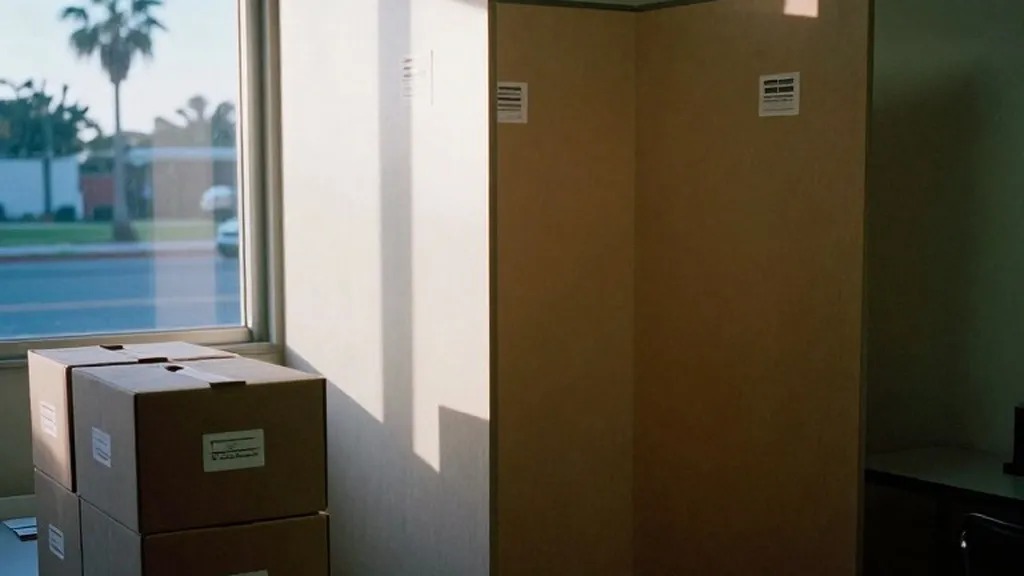
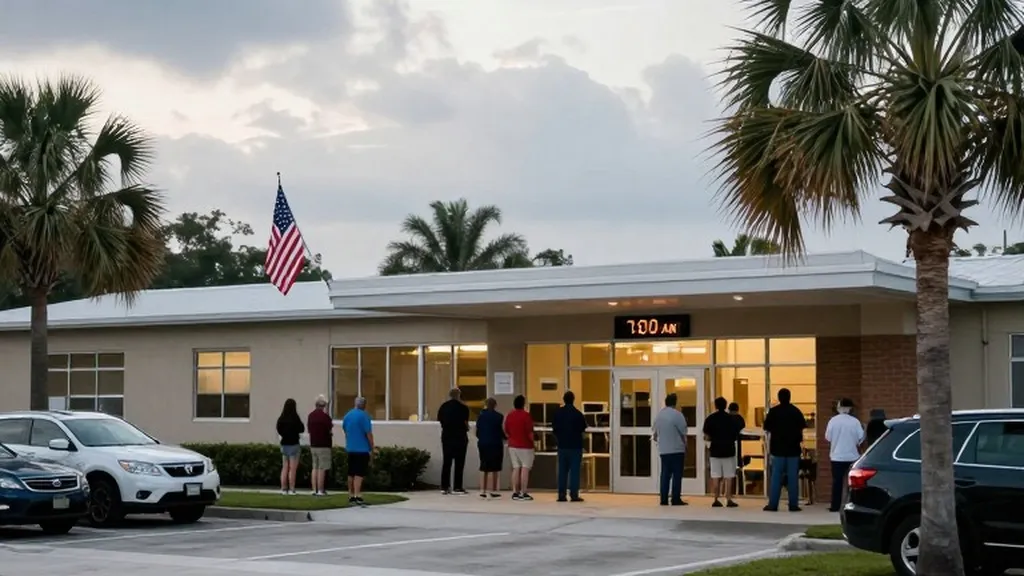
Voters across Pensacola, Tallahassee, and Gainesville are heading to the polls on Tuesday, November 3, 2026, to cast ballots in the midterm elections. Florida polling places are open from 7 a.m. To 7 p.m. Local time. The state is divided between the Eastern and Central time zones, so the clock strikes seven in Pensacola and Tallahassee on Eastern Time, while Gainesville votes on Central Time. Residents in all three cities should check vote.gov to locate their specific polling place, as ID requirements can vary by state and individual circumstances.
The most prominent statewide race on the Florida ballot is for governor. This is an open seat because no incumbent is running, and the field includes candidates from the Democratic, Libertarian, No Party Affiliation, and Republican parties. Ballotpedia notes that this contest is part of a national trend where 36 governorships are up for grabs, with Republicans currently holding 26 offices and Democrats holding 24. In Florida, the outcome will determine who leads the state's executive branch for the next two years, a role that has become increasingly competitive in recent cycles.
Florida voters are also choosing a member of the U.S. Senate to fill a special election seat. This race is for the remainder of the six-year term that Marco Rubio was elected to in 2022. The Associated Press describes the national Senate race as a critical fight for control, with 35 seats in play. In Florida, the special election adds a layer of complexity to the state’s federal representation, as the winner will serve until the next regular Senate election cycle concludes. The state voted for Donald Trump by a margin of 13.1 percent in 2024, a figure that often influences how national pundits rate the competitiveness of the state’s federal seats.
Three constitutional amendments appear on the Florida ballot, each addressing distinct areas of state governance and taxation. Amendment 1 proposes increasing the amount of funds that may be retained in the budget stabilization fund from 10 percent to 25 percent of net general revenue. Amendment 2 focuses on agriculture, proposing to exempt agricultural-related tangible personal property, such as farm equipment or tools, from property taxes. Amendment 3 involves local government and property taxes, aiming to increase the homestead tax exemption and decrease the cap on how much the assessed value of non-homestead properties can increase. These measures reflect a voter desire to address cost-of-living concerns and support local industries.
Every U.S. House seat in Florida is also on the ballot, as is the case in six other states using new congressional maps after mid-decade redistricting. All 435 House seats are up in this national election, with Republicans currently holding 218 seats and Democrats holding 214. Democrats need a net gain of three districts to achieve a majority in the House, while Republicans can lose no more than two seats to maintain their control. In Florida, the new maps may shift the dynamics of several districts, though it remains to be seen if the new lines will vote as originally predicted by political analysts.
The mood among voters is described as a referendum on President Trump’s second term, with many citizens struggling with high prices and expressing anger over an unpopular war with Iran. A recent poll indicates that 35 percent of U.S. Adults approve of Trump’s job performance, while about seven in ten say the country is heading in the wrong direction. In Florida, a voter named Mark Barker of Palm Beach Gardens said that he has been following Trump the whole time and thinks he is doing an awesome job. Conversely, other voters expressed concern over rising costs, noting that they are paying more for healthcare and daily necessities.
Election administration has been a point of contention in the days leading up to Tuesday. A federal judge temporarily barred the Trump administration from carrying out a plan to prevent noncitizen voting, a move that critics said risked disenfranchising eligible voters. Additionally, a judge ordered the administration to stop demanding that California election officials segregate ballots cast by people on lists of suspected noncitizens. These legal developments have added to the uncertainty surrounding the election process, though the U.S. Postal Service has added hours and staff to ensure mail ballots are counted on time. The Associated Press notes that more than 57 million people had already voted as of Monday, surpassing the early vote totals from four years ago in many closely watched states.
The financial scale of the 2026 elections is likely to be the most expensive in history. Republican committees outraised and outspent Democratic committees, helped by Trump-affiliated groups and significant contributions from Elon Musk. However, at the candidate level, Democrats outraised their opponents. Analysis of AdImpact data shows that 88.1 percent of Republican general election TV ad spending went to states and districts Trump won in 2024, including more than $850 million in areas where he won by 10 points or more. This spending pattern reflects a strategy to consolidate support in Republican strongholds while attempting to flip key districts in competitive states.
In Pensacola, the local community is watching closely as the state’s governor’s office changes hands. The open seat nature of the race means that the winner will set the tone for the state’s policy direction without the baggage of an incumbent’s legacy. In Tallahassee, the state capital, the outcome of the Senate special election will impact the balance of power in the federal government. In Gainesville, voters are considering the same state-wide measures while also addressing local offices and measures that vary by county. The Associated Press notes that if Democrats win even one chamber, investigations and possible impeachment proceedings become likely, which could have significant implications for state and federal relations.