Florida voters flip governor's mansion, join national wave for Democrats
The state's open gubernatorial race is now part of a historic shift that saw Democrats capture both chambers of Congress and a majority of governorships nationwide.
By Omar Khalil ·

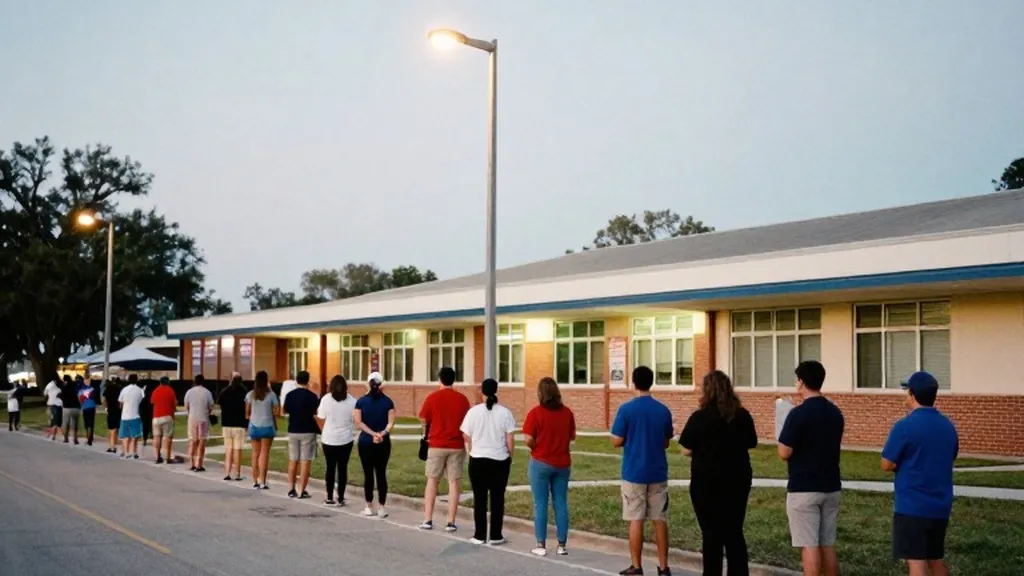
Pensacola residents and voters across the state cast their ballots on Tuesday, November 3, in an election that has fundamentally altered the political landscape of Florida and the nation. The results, which have been compiling since the polls closed at 7 p.m., confirm a significant shift in power that mirrors a broader national trend. In a state that has long served as a crucial battleground, the outcome of the gubernatorial race and the U.S. House contests will shape the daily operations of local government and state policy for the next four years.
The most immediate impact for Florida is the outcome of the open gubernatorial race. With no incumbent running, the electorate chose between candidates from the Democratic, Republican, Libertarian, and No Party Affiliation parties. The result places a new leader in Tallahassee, tasked with managing the state's budget, infrastructure, and education systems. This change in executive leadership will directly affect how state agencies operate and how they interact with the federal government in Washington.
Nationally, the election has been defined by a decisive victory for the Democratic Party. The Associated Press reports that Democrats have won majorities in both the U.S. House and the U.S. Senate. This achievement marks a significant shift from the previous administration's control and provides the party with the legislative power to pass new laws and conduct oversight of the executive branch. The scale of the victory has been described as historic, with Democrats picking up at least 43 House seats and seven Senate seats, all of which were previously held by Republicans.
The control of the U.S. Senate is particularly significant for the balance of power in Washington. With a 54 to 44 majority, Democrats now hold the gavel and the power to confirm judicial nominees and approve treaties. This new majority allows the party to advance its legislative agenda without the need for bipartisan compromise on procedural matters. The shift in the Senate also means that the confirmation process for new federal judges and agency heads will proceed under a different partisan dynamic, potentially altering the composition of the federal judiciary.
In the U.S. House of Representatives, the Democratic majority stands at at least 250 to 157. This numerical advantage gives the party control over the committee system, which is where most legislative work is done. The new leadership in the House will prioritize its own set of bills, focusing on issues that were central to the campaign platform. The loss of 42 seats for the Republican Party is a substantial setback, though it falls slightly short of the threshold typically defined as a wave election in terms of raw seat numbers.
The election results also indicate a broader trend in state governments. Democrats have won a majority of governorships for the first time since before the 2010 elections. This shift in state leadership suggests a changing political environment across the country, with voters in many states opting for Democratic candidates for the top executive office. In Florida, this aligns with the statewide results, where the new governor will work alongside a state legislature that has seen changes in party control in several chambers.
For voters in Pensacola, the implications extend to local and state offices as well. Every U.S. House seat in Florida was on the ballot, meaning that the representative for the district will be a new face in Congress. This local connection is vital, as the U.S. House member works closely with state officials to secure federal funding for infrastructure, healthcare, and education projects. The new representative will be part of a larger Democratic caucus in Congress, which may influence the priorities of the state's delegation.
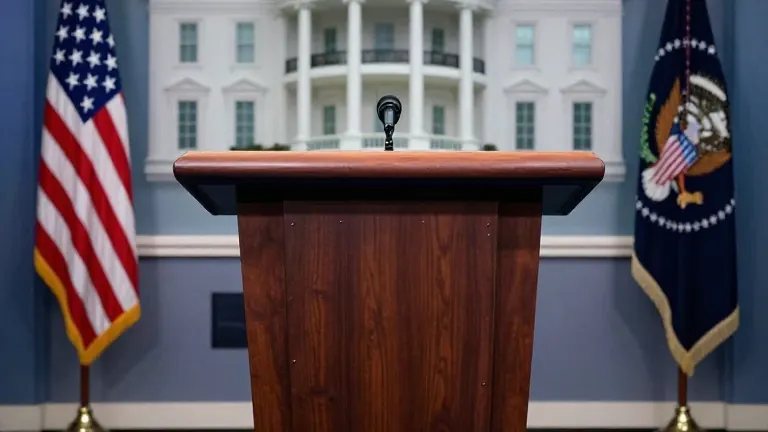
The election has also brought attention to the transition of power in the White House. President Donald Trump has announced a major shake-up in his administration, replacing his longtime adviser Susie Wiles with Stephen Miller as the next chief of staff. Miller is known for his role in shaping the administration's hard-line immigration policies. This change comes as the White House struggles with the party's deep losses in the midterm elections, signaling a potential shift in strategy and tone for the remainder of the president's term.
In a related development, President Trump has offered the job of White House press secretary to UFC boss Dana White. Trump posted on social media that he made the offer to White, describing him as a violent fighter and warrior. The White House did not immediately confirm the news, and White was in London for a boxing event when the announcement was made. This unconventional move highlights the ongoing transition within the administration and the president's willingness to reach outside traditional political circles for key roles.
The election results have also prompted reactions from political leaders across the country. In Mississippi, Democrat Scott Colom is being welcomed as a historic figure as the vote count stretches on. The state is still tallying ballots that could make Colom the first Black senator from this Deep South state since post-Civil War Reconstruction. The possibility of Colom defeating Republican Sen. Cindy Hyde-Smith has put many Black voters in a state of cautious optimism, marking a potential milestone in the state's political history.
As the results continue to be finalized, the focus now turns to the practical implications of the new political order. The new governors in state capitals across the country will work with their respective legislatures to implement their agendas. In Florida, the new governor will face immediate challenges, including budget negotiations and policy decisions that affect millions of residents. The election has set the stage for a new era in Florida politics, with a new leadership team in place to guide the state through the next four years.