Democrats Take Florida Governor's Race, Set Stage for National Showdown
The party sweep of the state executive office signals a strong mandate for oversight as new congressional leaders prepare to challenge the White House.
By Sophia Bennett ·

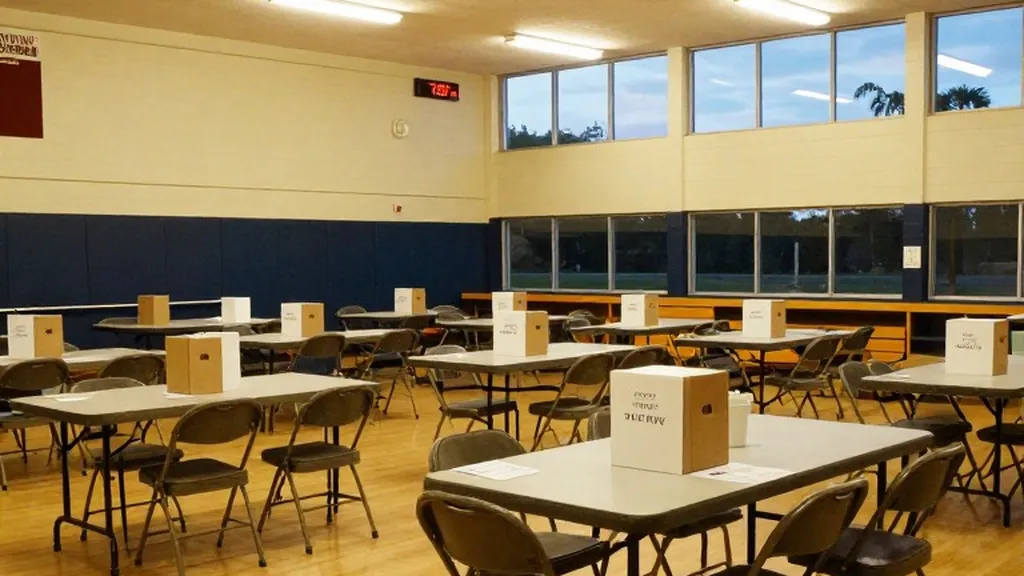
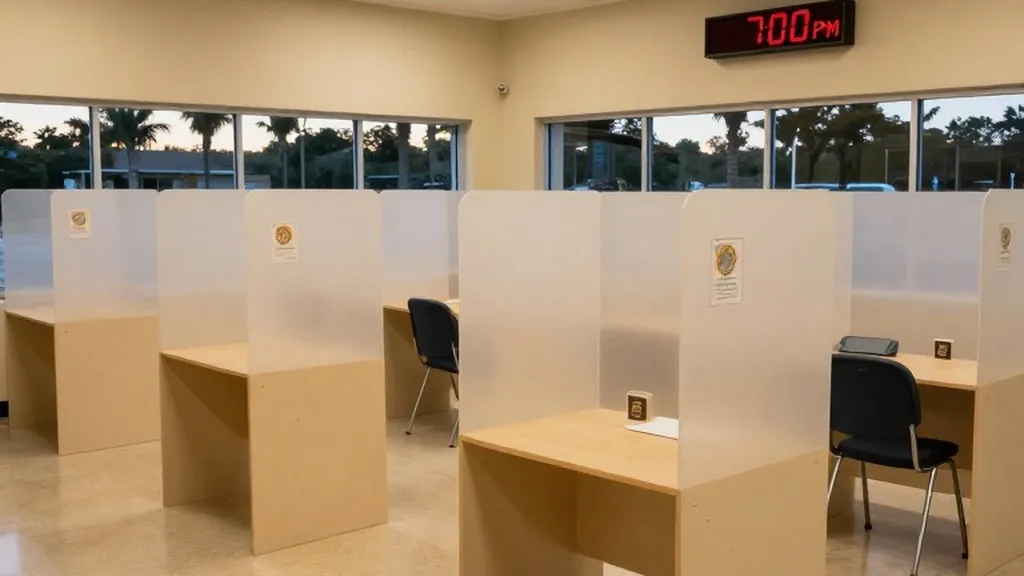
Voters in Pensacola and across Florida cast their ballots Tuesday in a decisive contest for the governor's mansion, a race that had no incumbent and featured candidates from the Democratic, Republican, Libertarian, and No Party Affiliation lines. The election concluded with polls closing at 7 p.m. in the state, which is split between the Eastern and Central time zones. As results emerged, the governor's race served as a key indicator of the state's political mood, reflecting broader trends seen in other major state races nationwide.
The outcome in Florida contributes to a larger national picture where Democrats have secured healthy majorities in both the House and Senate. This shift in control allows the party to launch an aggressive agenda in the coming years, with a particular focus on holding the executive branch accountable. In Pensacola, residents followed the results closely, understanding that the new governor would shape local policies on infrastructure, education, and economic development for the next four years.
The national election results show a clear mandate for congressional oversight. Democrats, who now hold the balance of power, have signaled that they intend to investigate the Trump administration thoroughly. This stance contrasts with the previous cycle, where the party faced a more fragmented legislature. The victory in Florida adds to the list of states where Democrats made significant gains, reinforcing their ability to drive legislation and conduct hearings.
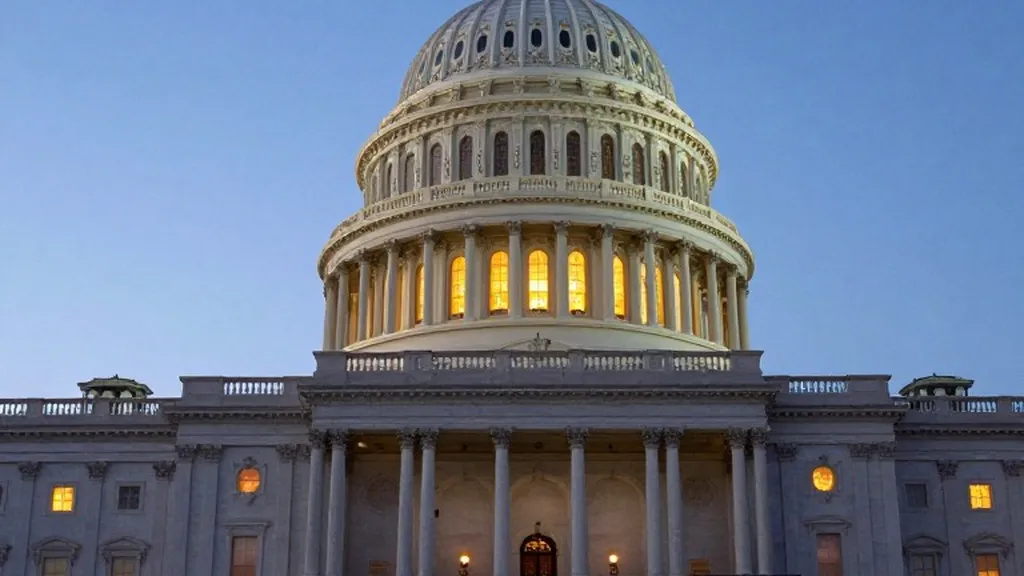
In Washington, the new congressional leaders are already positioning themselves for a robust agenda. Representative Robert Garcia, who is poised to chair the House Oversight Committee, stated that the days of Democrats not fighting back are over. He described the administration as a crime family and pledged to pursue accountability with vigor. This rhetoric sets the tone for the coming two years, which are expected to be defined by intense conflict between the White House and Capitol Hill.
President Donald Trump and his Department of Justice have taken a combative stance toward the incoming congressional majority. The president declared on social media that investigative requests from Democrats are extortion at the highest level and that those making them should be held accountable. Attorney General Todd Blanche echoed this sentiment, suggesting that criminal investigations of Democrats are possible if they threaten existing members of the administration or companies.
The dynamic between the branches of government is likely to test the limits of congressional power. About seven in ten voters nationally say Congress is not doing enough to provide checks and balances on the presidency, according to survey data from the AP Voter Poll. This public sentiment supports the new Democratic leadership's push for aggressive investigations. The party has made clear that impeachment is an option if officials are found to be shortchanging or stealing from the American people.
However, there is some tension within the Democratic ranks regarding the balance between oversight and legislative priorities. Some members worry that a focus on conflict with the White House could distract from the party's central promise to lower the cost of living. Senator-elect Adam Hamilton, the first Democrat elected to the Senate from Kansas in 94 years, expressed skepticism about impeachment, noting that his campaign was about bringing people together. He prefers setting up guardrails to spending the next two years dividing the country further.
The appointment of Stephen Miller as White House chief of staff has also drawn criticism from Democratic leaders. Hakeem Jeffries, who is on the cusp of becoming the nation's first Black House speaker, called the choice awful and cast doubt on the prospect of working with Miller. Jeffries stated that there is not going to be an opportunity to work with Miller and what he represents, committing Democrats to forcefully pushing back against the extremism they may try to unleash.
In the state of Florida, the lack of a U.S. Senate election this year shifts the spotlight entirely to the gubernatorial and House races. Every U.S. House seat in the state was on the ballot, along with state and local offices. The results in these races will determine the composition of the state legislature and the alignment of local governments in cities like Pensacola, Tallahassee, and Gainesville. The new governor will work closely with these bodies to implement policy changes.
The election also highlighted historic firsts in other states, such as the election of the first Native American woman governor in New Mexico and the first woman president of the Navajo Nation. These milestones reflect a broader trend of diverse candidates winning office. In Florida, the results will determine the direction of state policy for the next four years, with the new governor tasked with addressing affordability and education outcomes. The political landscape in Pensacola and the rest of Florida is now set for a new chapter of governance.
As the new governor takes office, the focus will turn to the practical implementation of campaign promises. The state faces challenges in making life more affordable for struggling residents and addressing persistently poor education outcomes. The new leadership in both the state and federal government will need to coordinate their efforts to deliver results. The coming two years will be a test of their ability to work together or manage conflict effectively.