Jeffries leads House as Dems eye Trump, 2028
New congressional majorities set the stage for aggressive oversight, a 100-day legislative push, and early jockeying for the next presidential cycle.
By Omar Khalil ·
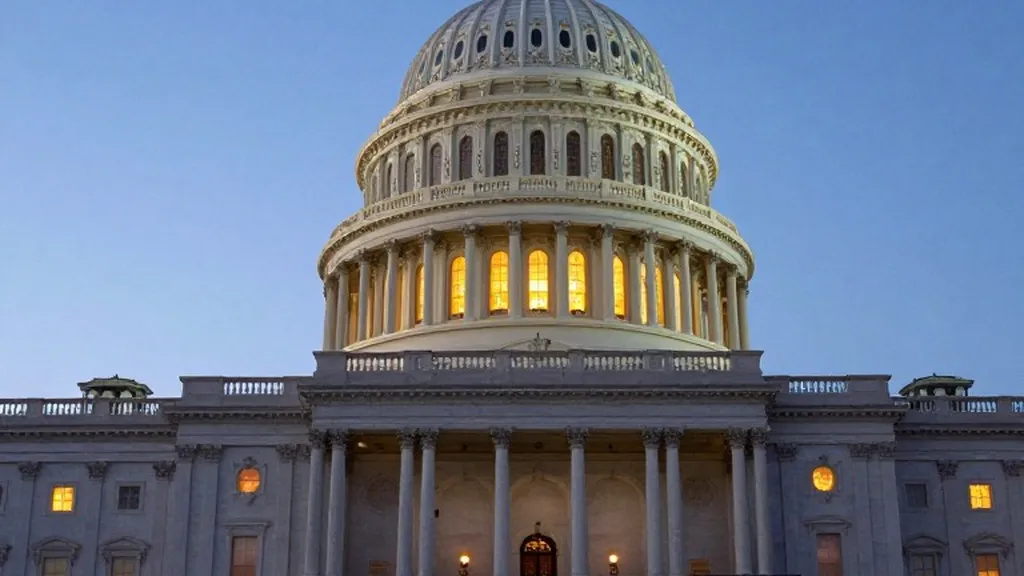
The midterm elections concluded with Democrats securing healthy majorities in both the U.S. House and the Senate, a result that shifts the balance of power in Washington for the final two years of the Trump administration. In Florida, voters cast ballots from 7 a.m. to 7 p.m. across the state, with the specific hours varying slightly due to the split between Eastern and Central time zones. The state had no U.S. Senate race on the ballot, but every U.S. House seat was contested alongside state and local offices. The outcome in Tallahassee and other key districts reflects a broader national trend where voters sought a stronger check on the executive branch.
Rep. Hakeem Jeffries of New York is poised to become the first Black House speaker, a historic milestone that places him at the center of the new congressional agenda. Jeffries outlined a 100-day plan focused on delivering results for working-class families, a priority shared by many of his colleagues who campaigned on lowering the cost of living. This legislative push is expected to face immediate friction from the White House, as President Donald Trump and his Department of Justice have already taken a combative stance toward the new Democratic majority. Trump described existing investigative requests as extortion at the highest level, signaling that conflict will define the relationship between the branches of government in the coming months.
The new House majority is preparing an aggressive investigative blitz, with Rep. Robert Garcia of California set to chair the powerful House Oversight Committee. Garcia has pledged to investigate what he calls the Trump crime family, stating that the days of Democrats not fighting back are over. Attorney General Todd Blanche echoed the president's skepticism, noting that criminal investigations of Democrats are possible. This rhetoric sets up a showdown that will likely test the power of Congress to put a check on the White House, with both sides preparing for a long and contentious battle over subpoenas and testimony.
Impeachment has emerged as a central topic of debate among the new Democratic leadership. Jeffries indicated that impeachment is an option if individuals have shortchanged or stolen from the American people. He specifically supported a pending resolution from Rep. Thomas Massie of Kentucky to impeach Defense Secretary Pete Hegseth, calling for Hegseth to go. Hegseth dismissed the push in a video, describing it as politics of personal destruction. While some Democrats like Sen.-elect Adam Hamilton of Kansas expressed skepticism about impeachment, arguing for guardrails over division, others remain committed to holding the administration accountable for its actions.
The appointment of Stephen Miller as White House chief of staff has further complicated the prospect of bipartisan cooperation. Jeffries called the choice awful and cast doubt on working with Miller, whom he described as an architect of the administration's mass deportation machine. Nationally, about six in ten voters said the administration's actions on immigration enforcement had gone too far, a sentiment that fueled the Democratic victory. Miller's appointment is seen as a signal of the administration's continued focus on immigration policy, an issue that resonated deeply with voters in Florida and across the country.
Beyond the immediate conflict with the executive branch, the new Congress faces the task of passing legislation that addresses economic concerns. Sen. Bernie Sanders of Vermont warned that while accountability is necessary, the chamber cannot spend all its time investigating Trump. He emphasized the need to stand up for working-class families and make a real difference in their lives. This perspective aligns with the campaign promises of many new lawmakers who are eager to deliver on the cost of living pledge that helped secure their victories. The next two years will be a test of whether the new majority can balance oversight with legislative action.
The 2026 results also mark a significant shift in the demographics of the U.S. Senate. Peggy Flanagan of Minnesota became the first Native American woman elected to the chamber, while Deb Haaland became the first Native American woman to win a state governorship in New Mexico. These historic wins highlight a broader trend of diverse candidates gaining prominence in national politics. The presence of these new voices is expected to influence the legislative agenda, particularly on issues related to tribal sovereignty and economic development. The Senate's new composition will play a crucial role in confirming nominees and passing key legislation in the final two years of the Trump term.
The race for the 2028 presidency has already begun to take shape in the wake of these midterms. With Democrats holding both chambers of Congress, the party will focus on building a pipeline of candidates who can appeal to a broad coalition of voters. The strong performance of women and minority candidates in 2026 is seen as a positive sign for the future of the party. Strategists are already looking at which names might emerge as contenders for the nomination, with an eye on their ability to unify the party and challenge the incumbent in 2028. The next two years will be critical in setting the stage for the next presidential election.
In Florida, the election results in the U.S. House and state offices will have significant implications for local governance. The state's governor's race, which was an open seat with no incumbent running, saw candidates from the Democratic, Libertarian, No Party Affiliation, and Republican parties compete for the top spot. The outcome in Pensacola and other local races will shape the direction of county and municipal policies in the years to come. Voters in Florida have spoken, and the new representatives will take office soon, ready to tackle the issues that drove them to the polls.