Florida voters decided governor, House seats as polls closed Tuesday
With polls shut from 7 a.m. to 7 p.m., residents in Pensacola and Tallahassee cast ballots in a state race for an open governorship and a federal special election, while Democrats seized control of Congress nationwide.
By Madison Cooper ·
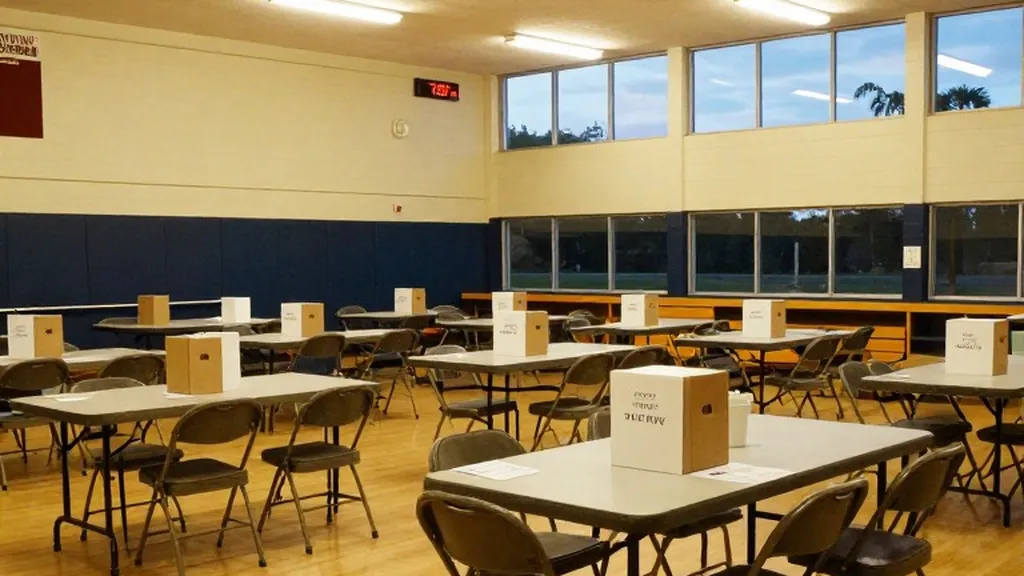
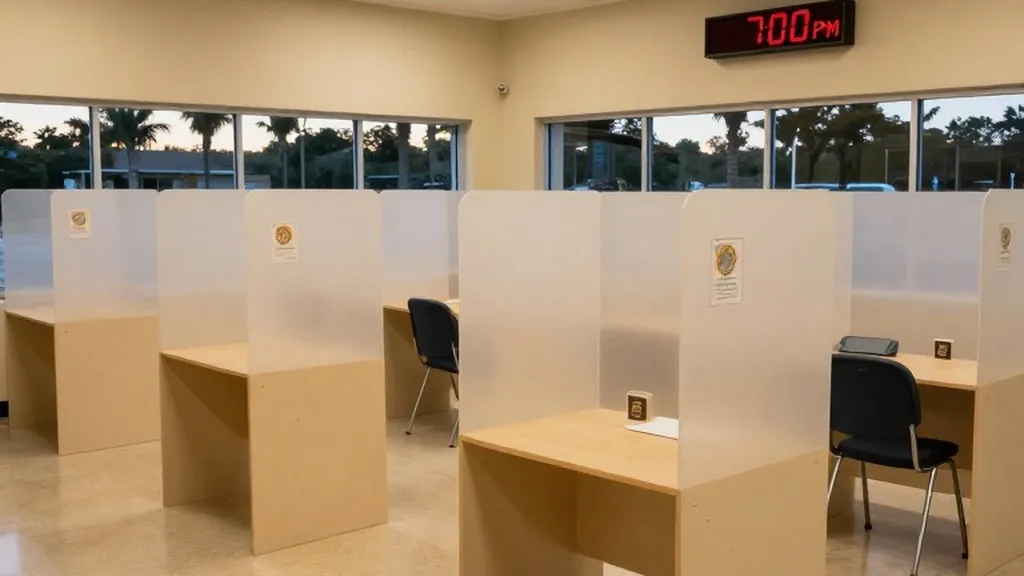
Polls in Florida closed at 7 p.m. on Tuesday, November 3, 2026, marking the end of the general election for residents in Pensacola, Tallahassee, and Gainesville. Because the state spans the Eastern and Central time zones, voters in the western panhandle, including Pensacola, had a slightly different closing time than those in the eastern panhandle and central Florida. The Department of State confirmed that voting hours were strictly enforced, and voters who were in line by the deadline were permitted to cast their ballots.
Florida voters faced a crowded ballot that included an open gubernatorial race, as no incumbent governor sought re-election. The candidates on the ballot represented the Democratic, Republican, Libertarian, and No Party Affiliation parties. Statewide, every seat in the U.S. House of Representatives was also up for election, alongside a special election for the U.S. Senate to fill the remainder of the term previously held by Marco Rubio. Local elections for school boards, municipal government, and state legislative districts further defined the ballot for county residents.
Voters in the panhandle could locate their specific polling places using the federal tool at vote.gov, which provided real-time updates on hours and locations. The site also clarified identification rules for in-person voting, a key concern for voters in Escambia and Okaloosa counties who needed to confirm which forms of ID were accepted by their local election officials. Mail ballot processing continued through the day, with the U.S. Postal Service tracking the delivery of envelopes to ensure timely receipt by county election supervisors.
As results began to trickle in across the nation, the political landscape shifted dramatically in favor of the Democratic Party. According to Ballotpedia, Democrats secured majorities in both the U.S. House and the U.S. Senate, winning at least 250 House seats and 54 Senate seats. This marked a significant turnover from the previous administration, with Democrats picking up at least 43 House seats that were previously held by Republicans or independents. The net loss of at least seven Senate seats for Republicans placed the election in the top 20% of wave elections in modern history.
In Florida, early results indicated that Democratic Representative Debbie Wasserman Schultz won a new House seat after switching districts in response to recent redistricting efforts. This victory was part of a broader trend where Democrats gained ground in states that President Donald Trump had won in the 2024 presidential election. The special Senate election in Florida, which was to fill the rest of the six-year term for Marco Rubio, remained a key contest, with the Republican incumbent Ashley B. Moody facing a Democratic challenger in a race that could determine the party control of the chamber in the coming weeks.
Nationally, the election results reflected a deep dissatisfaction among voters with the current economic trajectory and government performance. The AP Voter Poll found that three-quarters of voters described the economy as not so good or poor, with about 8 in 10 citing inflation as a source of financial hardship. This sentiment drove a high turnout, with more than 59 million people having cast ballots before Election Day, surpassing early-voter turnout from the 2022 cycle. Voters in Pensacola and across the state contributed to this national mandate for change, particularly regarding the cost of living and government corruption.
President Donald Trump reacted to the losses by declaring on social media that investigative requests made by Democrats were extortion at the highest level. Attorney General Todd Blanche echoed this stance, suggesting that criminal investigations of Democrats were possible as they prepared to take control of Congress. This combative tone set the stage for a potential showdown in Washington, where the new Democratic leadership, including incoming House Speaker Hakeem Jeffries, signaled plans for aggressive oversight of the executive branch. Jeffries, who is poised to become the nation's first Black House speaker, emphasized a commitment to holding the administration accountable.
Beyond the federal races, Florida voters decided on three constitutional amendments that could reshape state finance and tax policy. Amendment 1 sought to increase the budget stabilization fund retention from 10% to 25% of net general revenue. Amendment 2 proposed exempting agricultural tangible personal property from property taxes, a measure with significant implications for the state's rural economies. Amendment 3 focused on increasing the homestead tax exemption and limiting municipal spending on property tax revenue, a topic that resonated with homeowners in coastal communities like Pensacola who are sensitive to local tax rates.
The election also brought historic milestones for minority representation. Peggy Flanagan became the first Native American woman elected to the U.S. Senate in Minnesota, while Deb Haaland became the first Native American woman elected as a state governor in New Mexico. Crystalyne Curley was elected as the first woman president of the Navajo Nation. These victories were seen by advocates as a turning point for Native American political leadership. In Florida, the election reinforced the state's role as a critical battleground, with the outcome of the special Senate race and the gubernatorial contest likely to influence national policy debates on energy, immigration, and economic regulation in the coming two years.
Voters in the panhandle towns of Pensacola, Tallahassee, and Gainesville completed the voting process as county canvassing boards began the count. The final tally of the governor's race and the federal special election will determine the balance of power in the state government and the U.S. Senate. With the polls now closed, the focus shifts to the certification of results, which must occur within the statutory deadline before the new Congress convenes in January. The outcome of these races will define the legislative agenda for the next two years, with Democrats holding the majority in both chambers and a plurality of state governorships.